Applying for government schemes
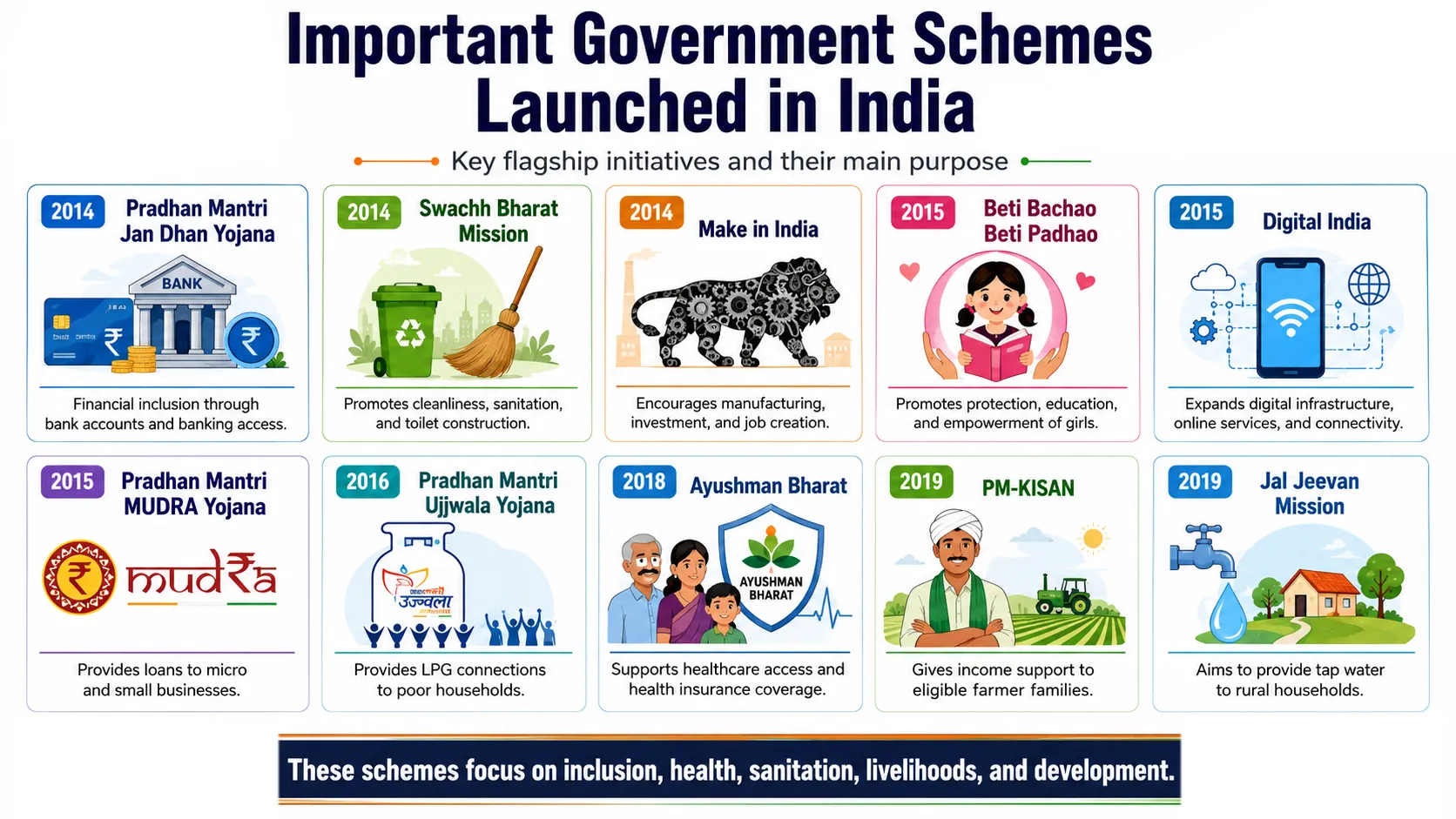
The challenge
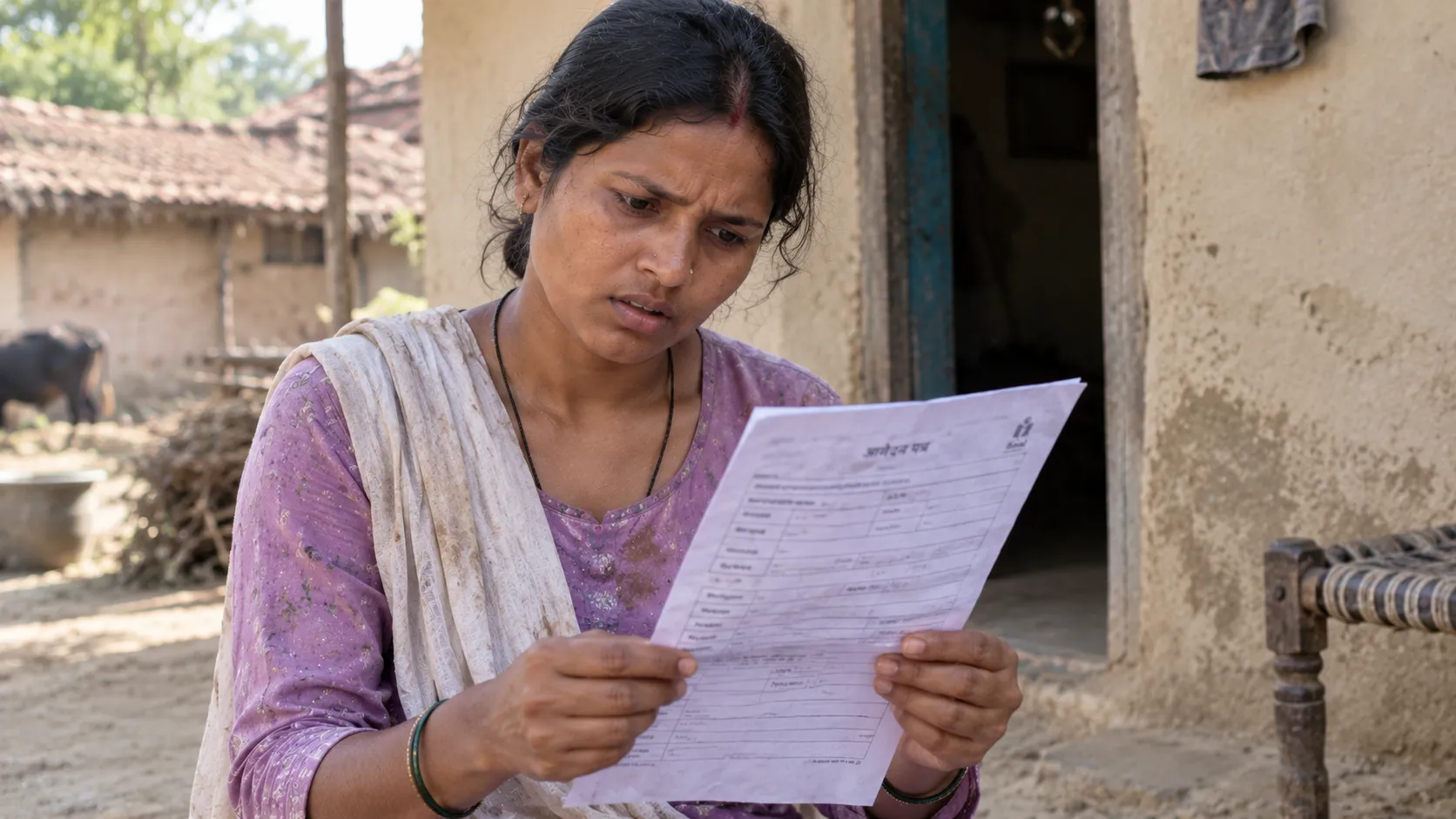
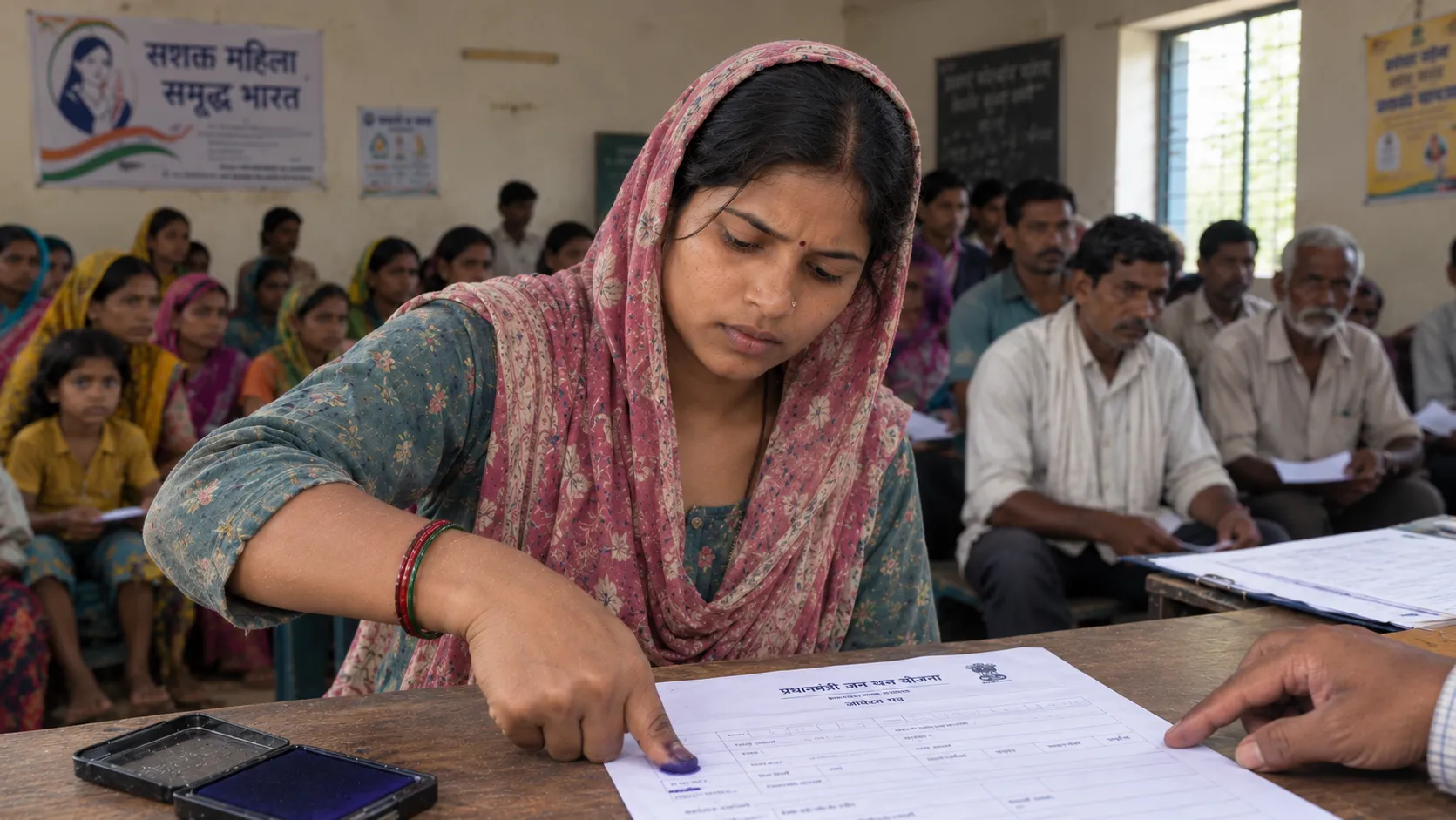
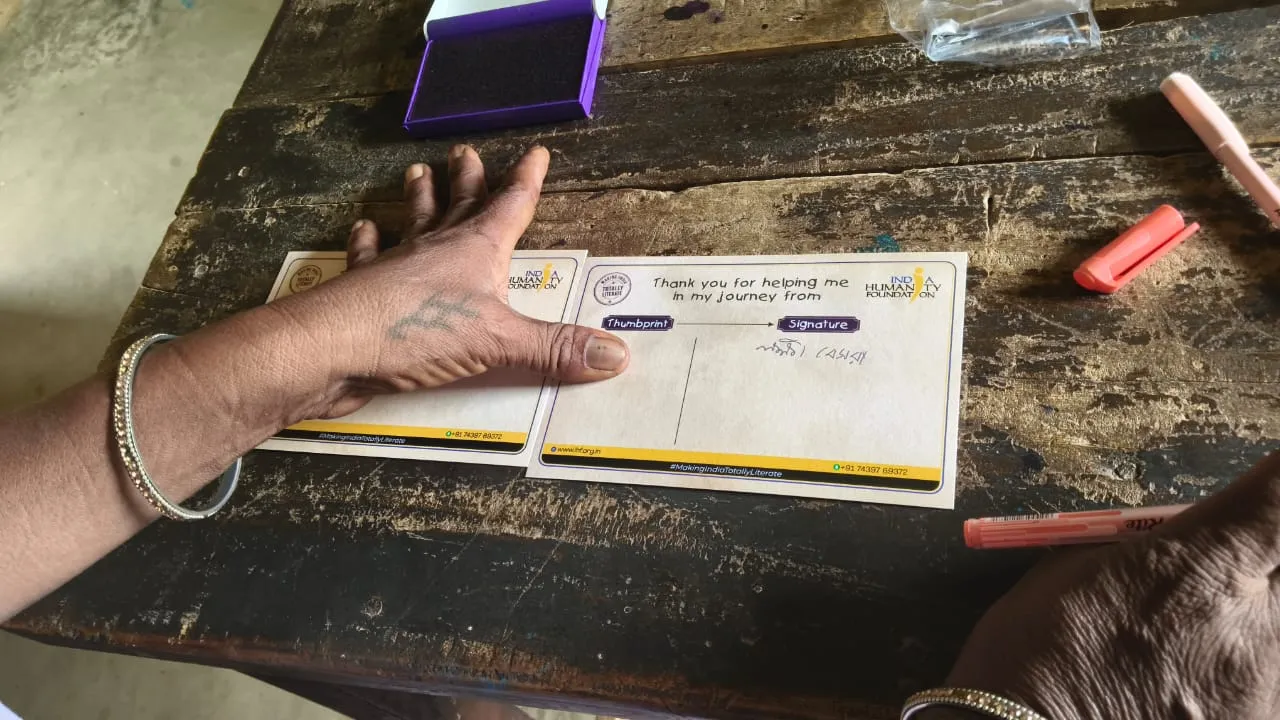
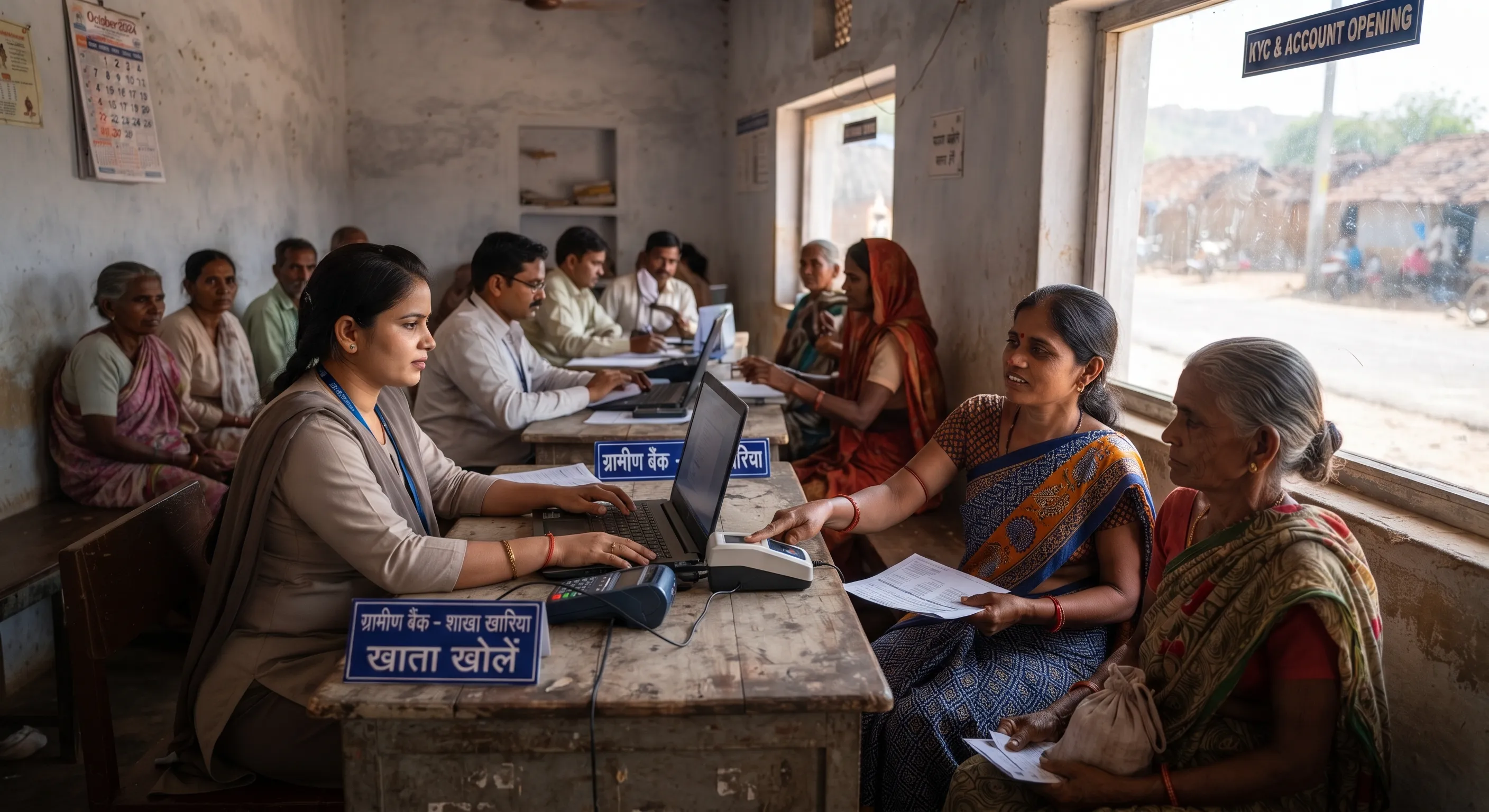
Many were married young, or left school to earn for the family. Without literacy, they press an inked thumb where a signature should be, and are locked out of bank accounts, government schemes and job forms.
The problem
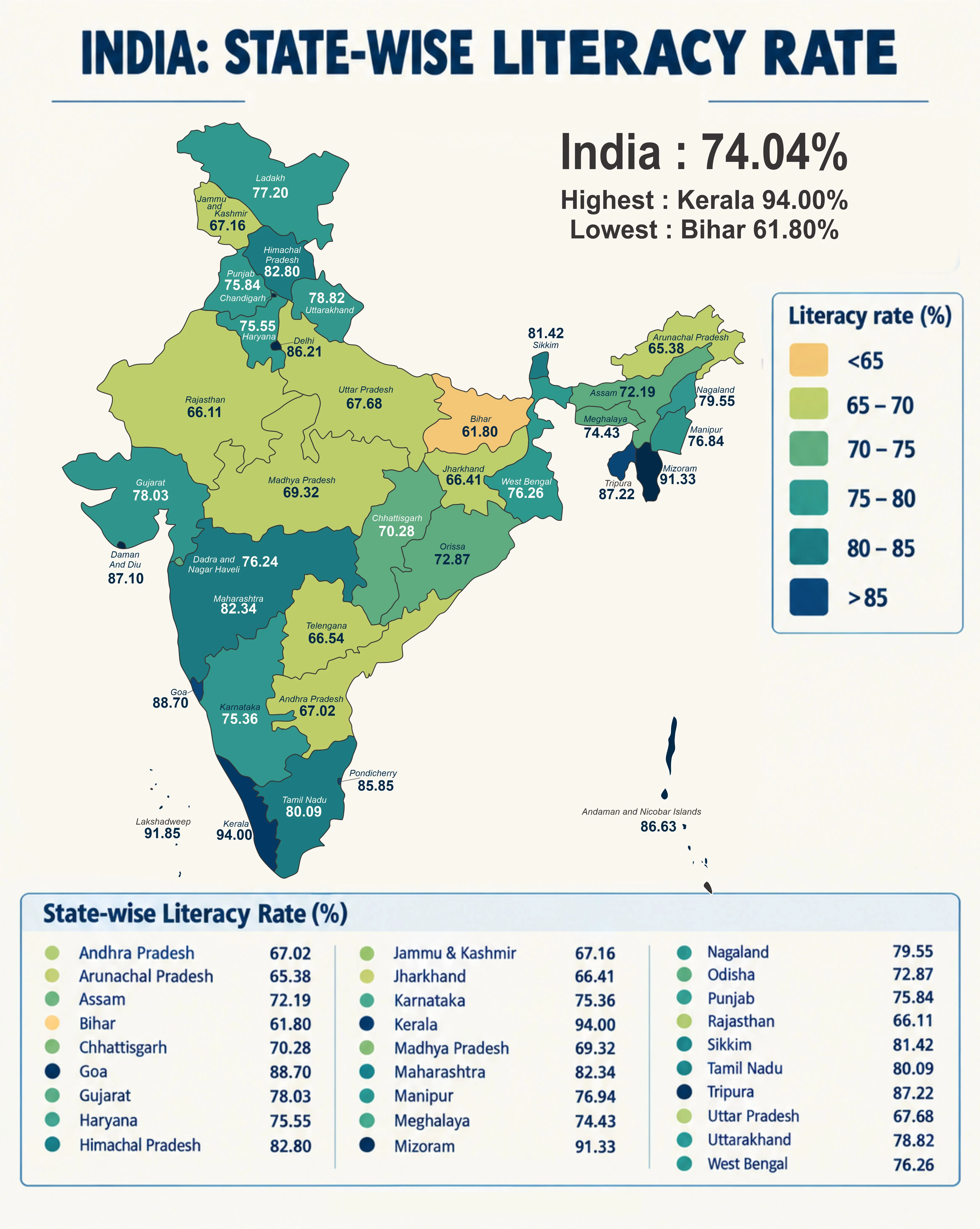
India has made great progress in schooling its children. But crores of adults were left behind — and in many villages and slums, they are still the majority.
25.76 crore
adults (15+) could not read or write — Census 2011
69.3%
adult (15+) literacy rate — Census 2011
5 crore
adults targeted by the Government's ULLAS mission, 2022–27
95%
of children are enrolled in school — yet many of their parents cannot read their report cards
Women
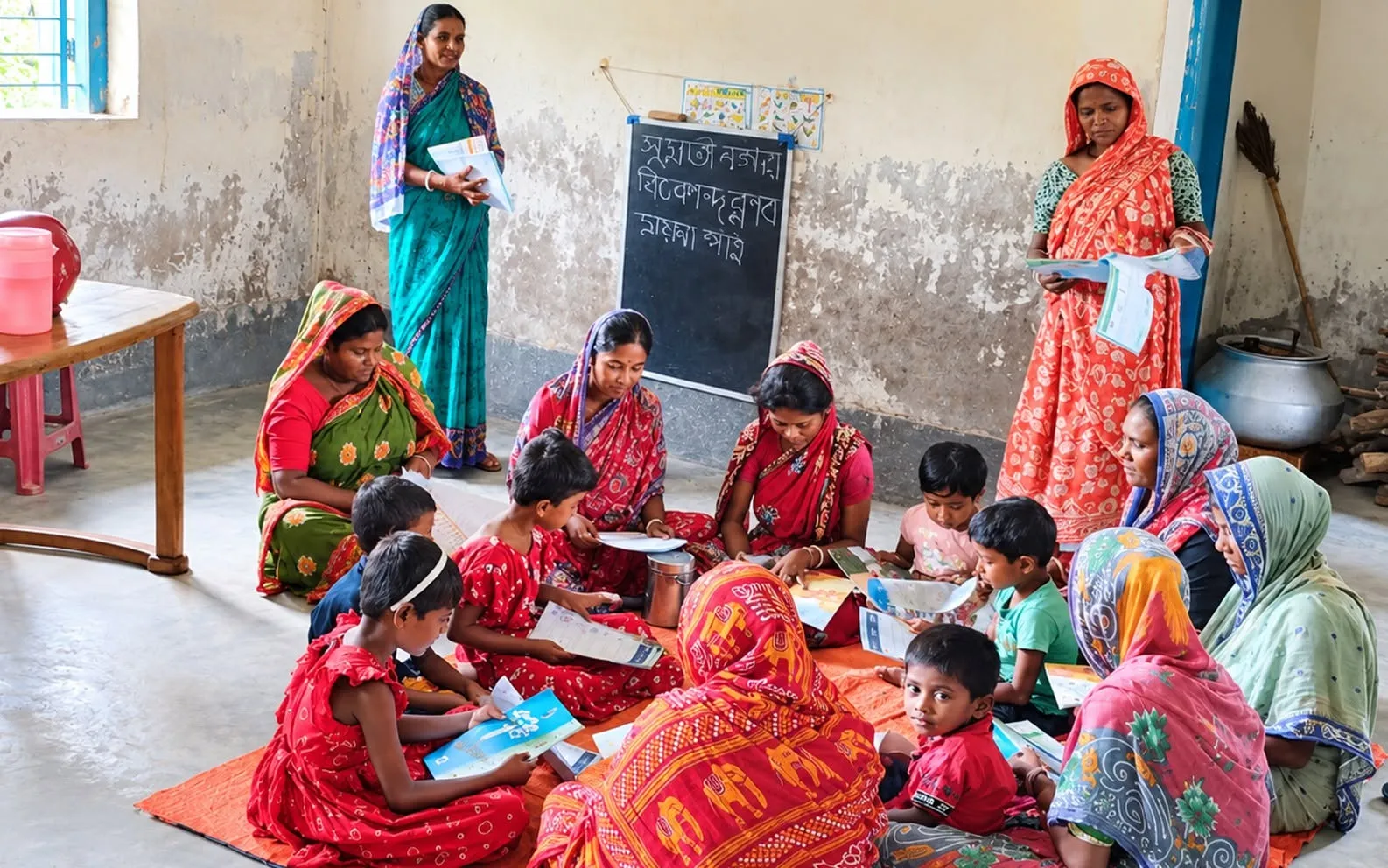
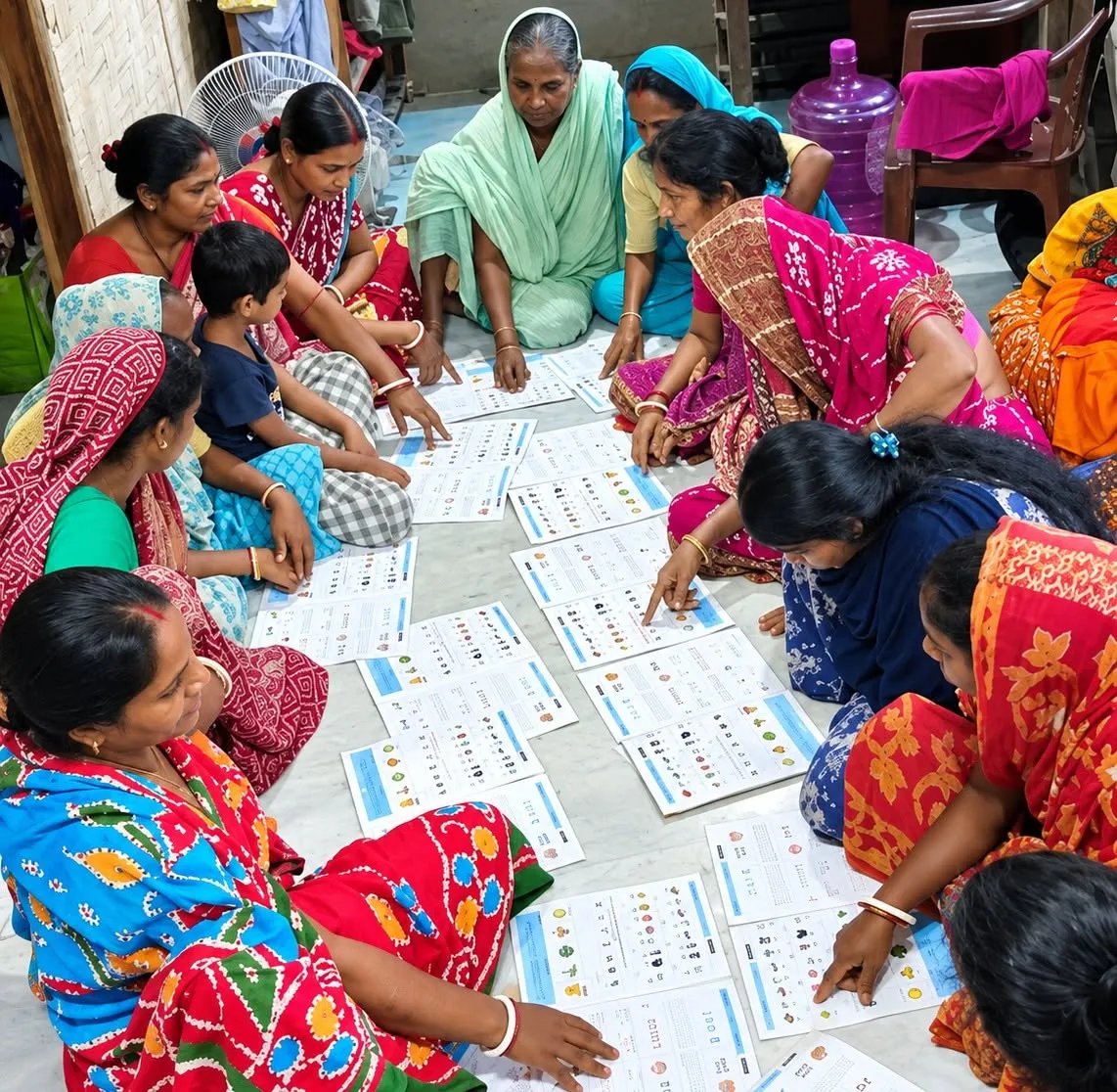
Two out of every three non-literate adults in India are women — 16.68 crore women against 9.08 crore men. Only 59.3% of adult women can read and write, compared with 78.8% of men. When a mother learns to read, the whole household learns with her.
A literate household
Parents who can read take a bigger part in their children’s schooling — and the children of literate parents are more likely to stay in school.
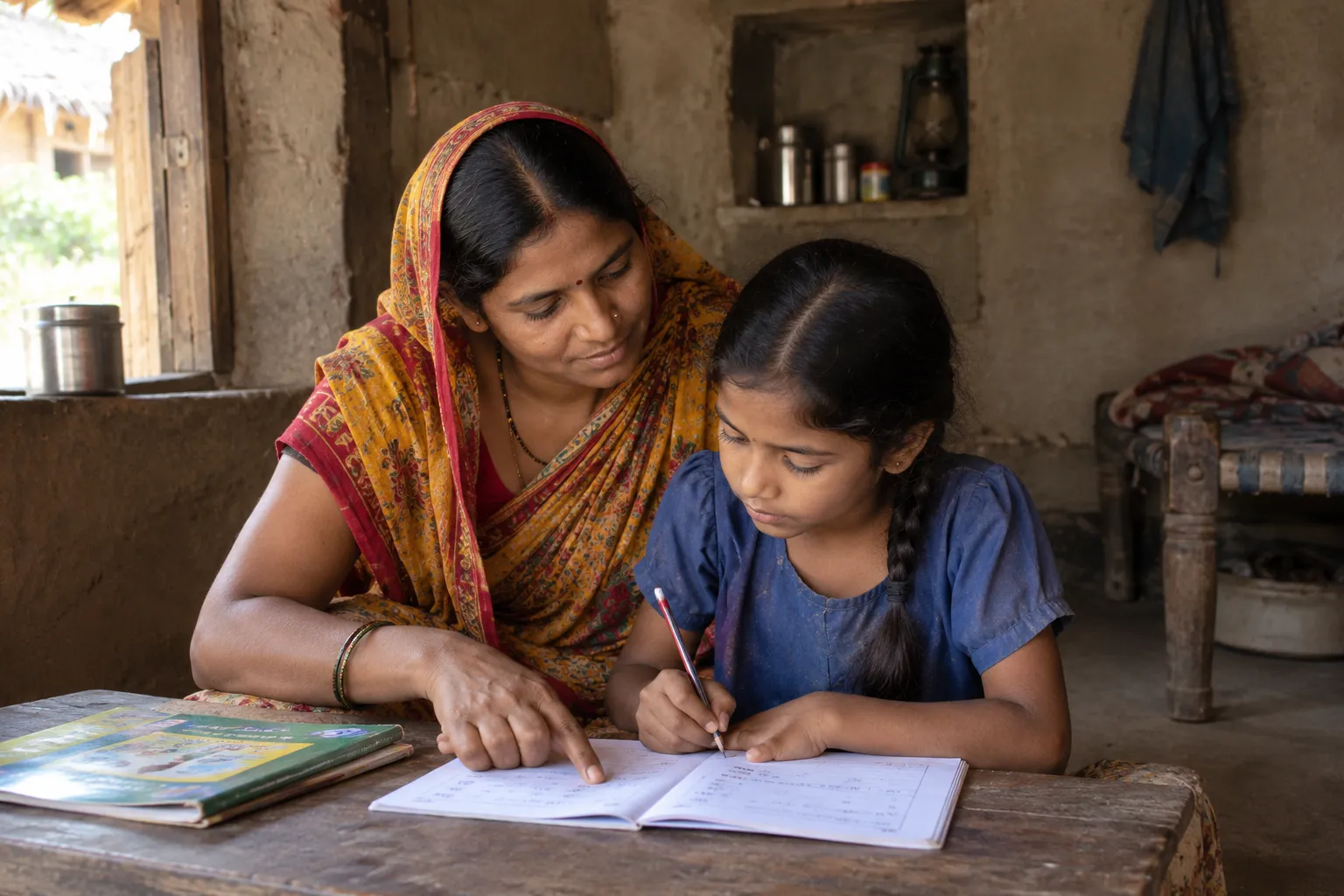
A brighter future — for children, and for India
Opportunity
As every member of the household learns, doors that were once closed to them begin to open.
Why it fails
Most programmes are built for children and then handed to adults. Four barriers keep grown-ups away from learning.
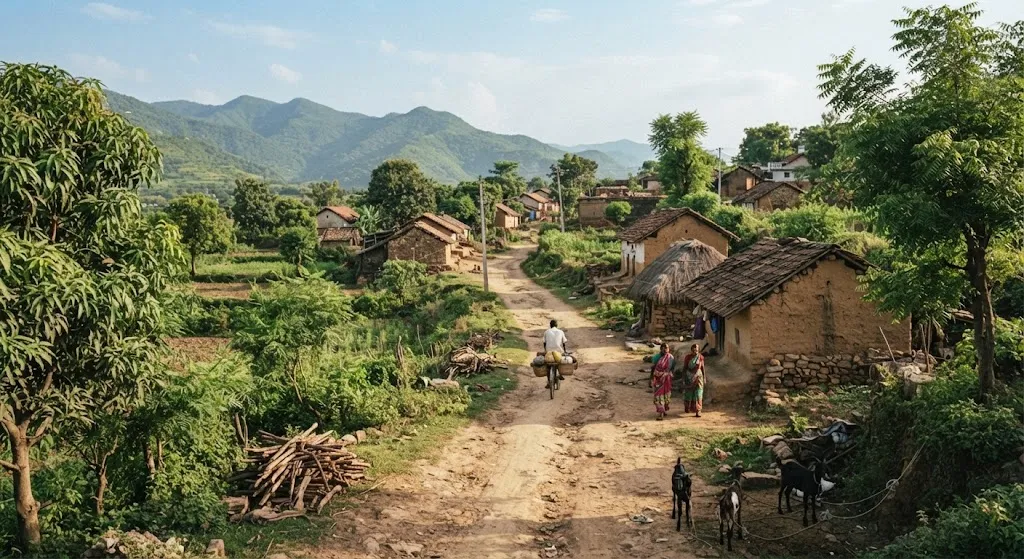
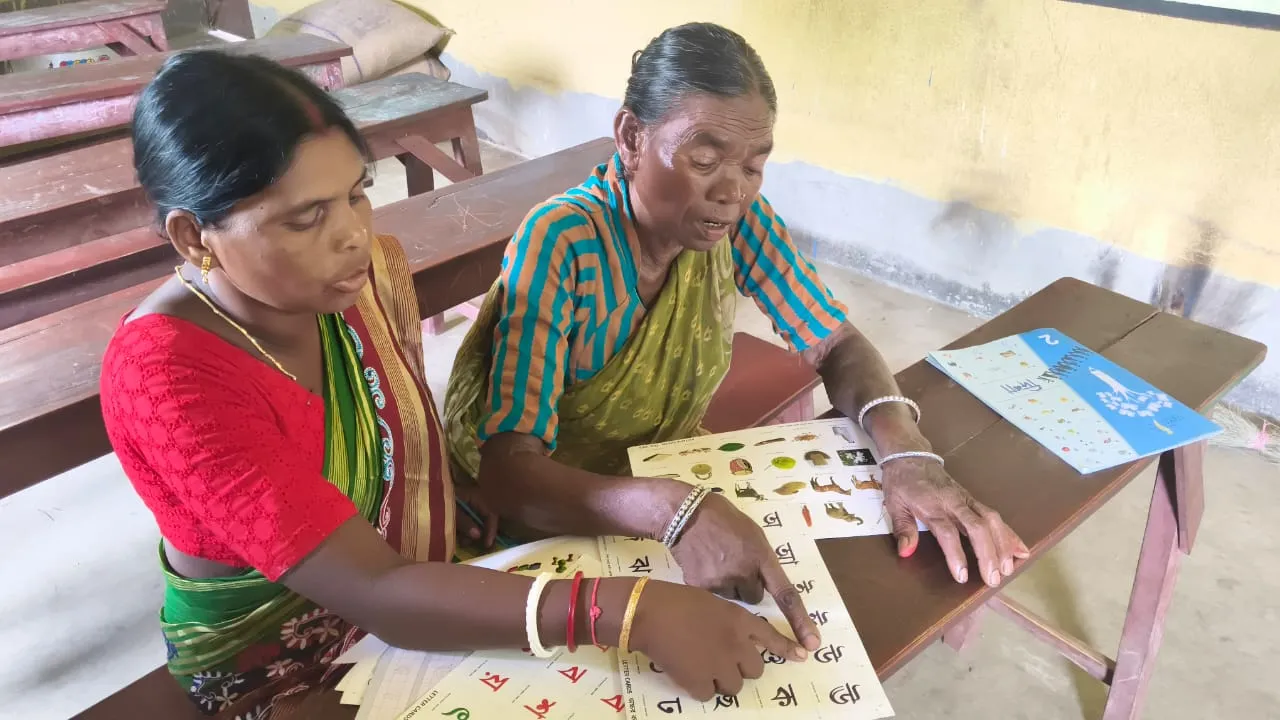
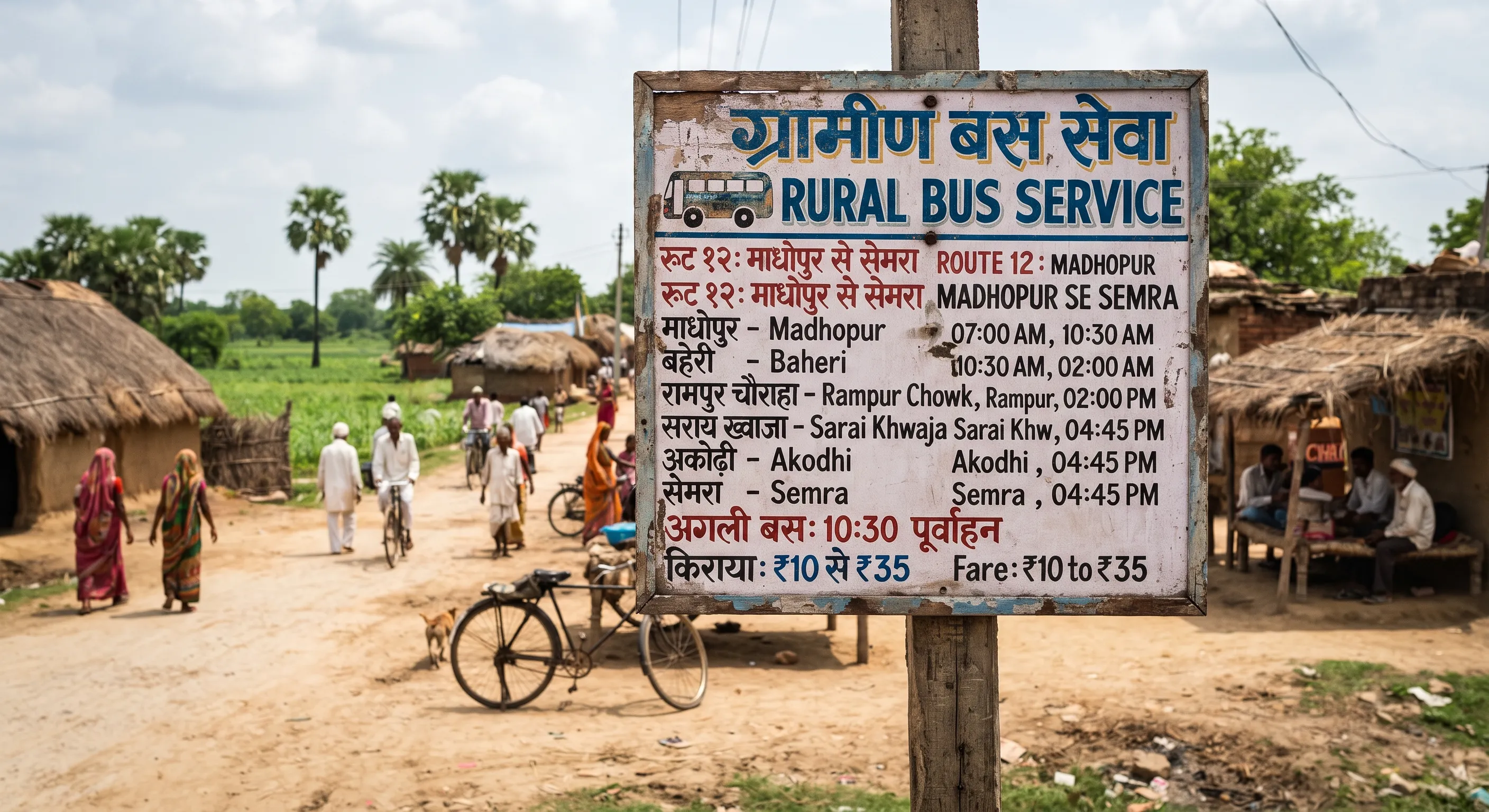
An adult literacy programme designed backwards from these four constraints — not forwards from a syllabus.
A model that depends on extraordinary people cannot be scaled.
A model that depends on ordinary ones can.
Our answer
Akshar Jyoti was designed backwards from the four constraints — so that learning fits the learner, not the other way round.
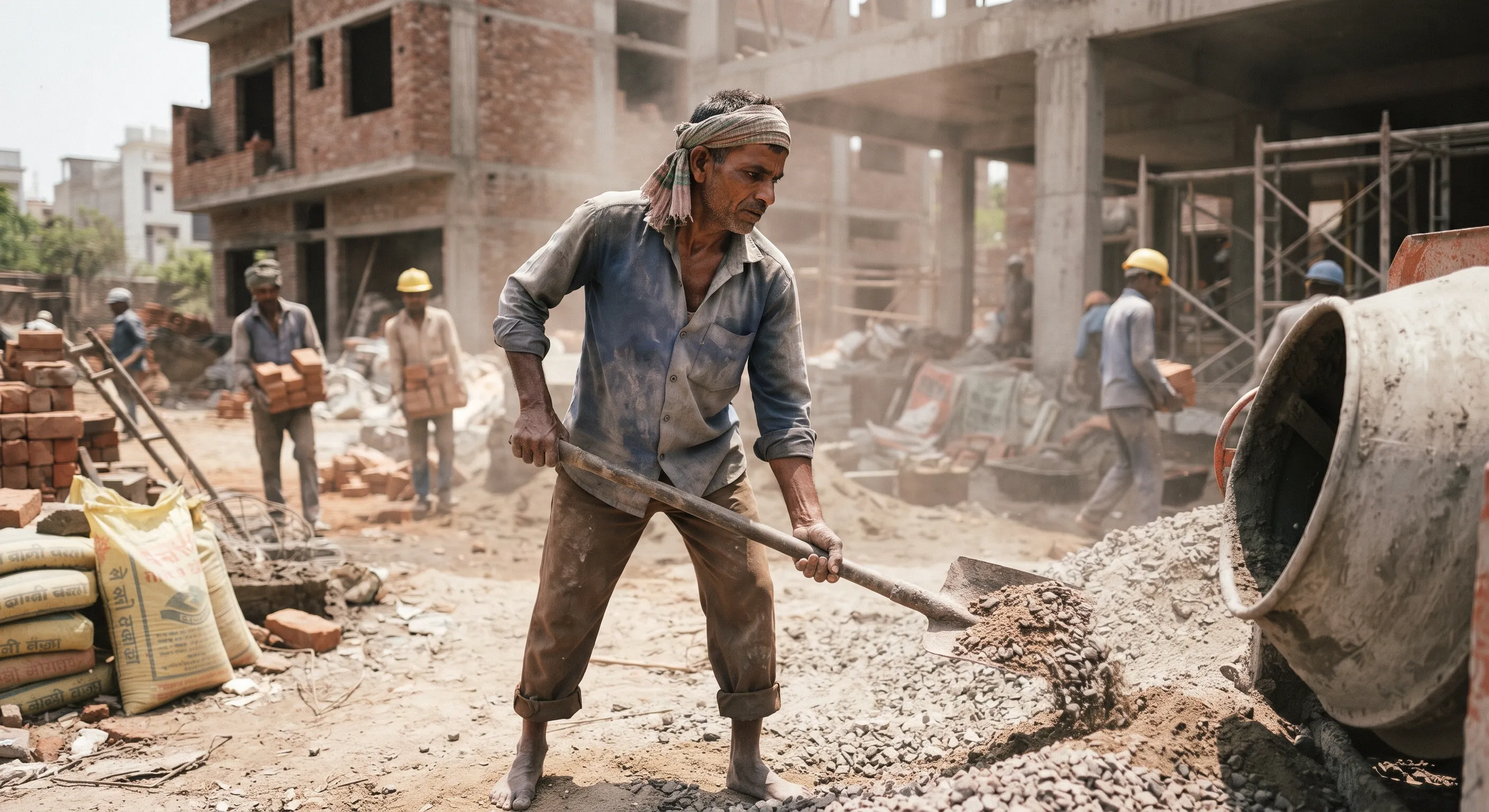
Adults cannot lose a working day.
45–60 minutes a day, at a time the learner chooses — often in the evening, after work and housework.
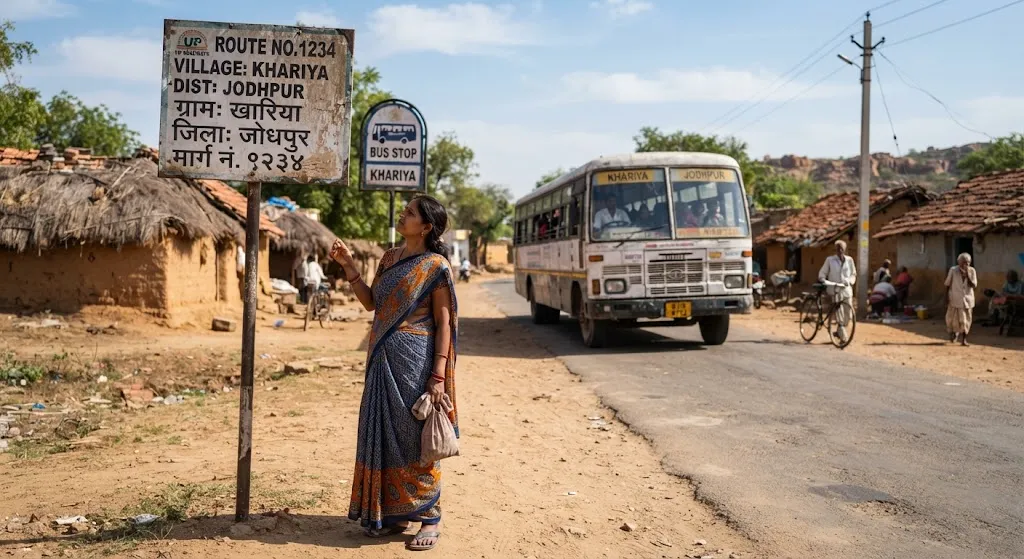
Classrooms are far from the village.
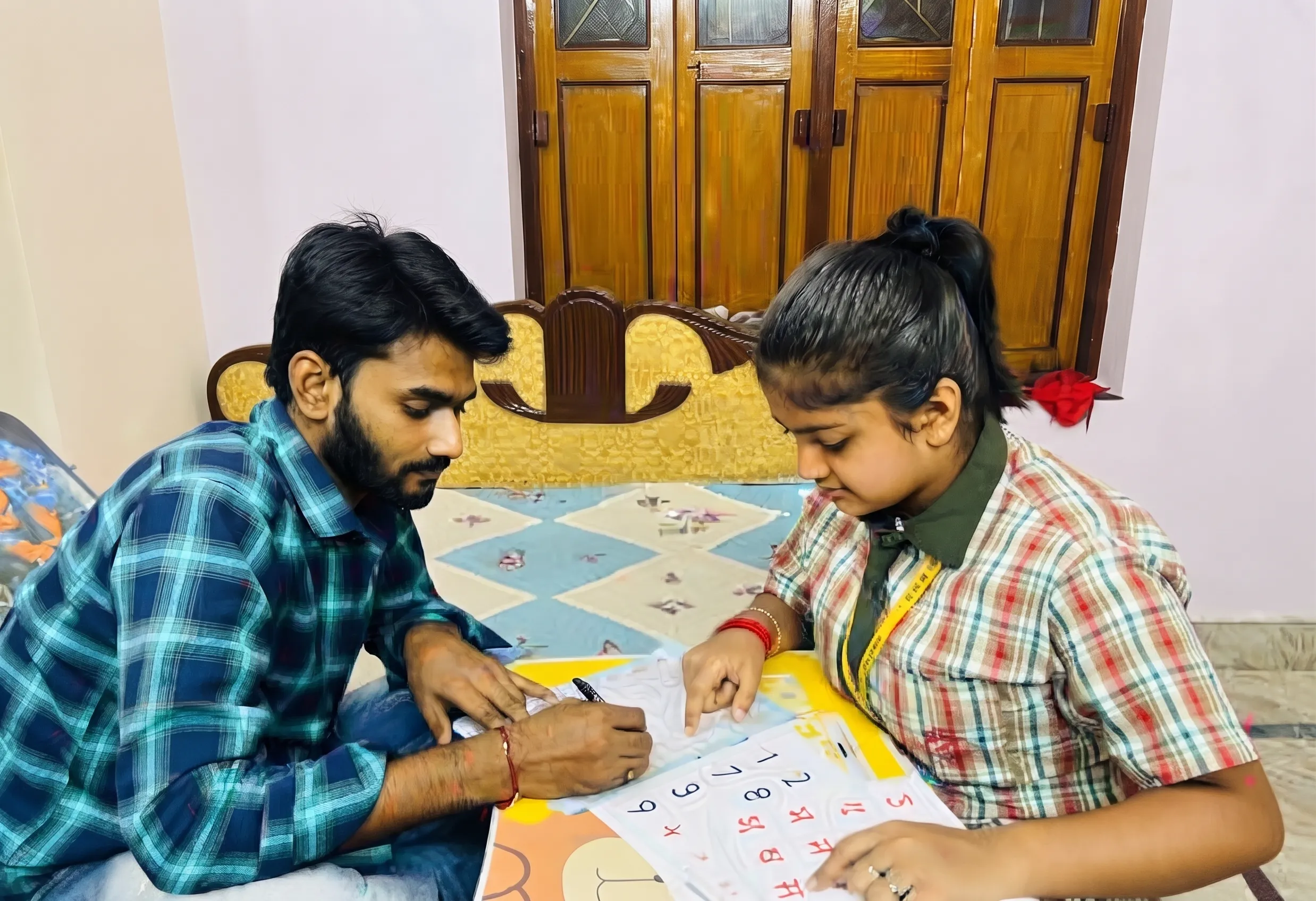
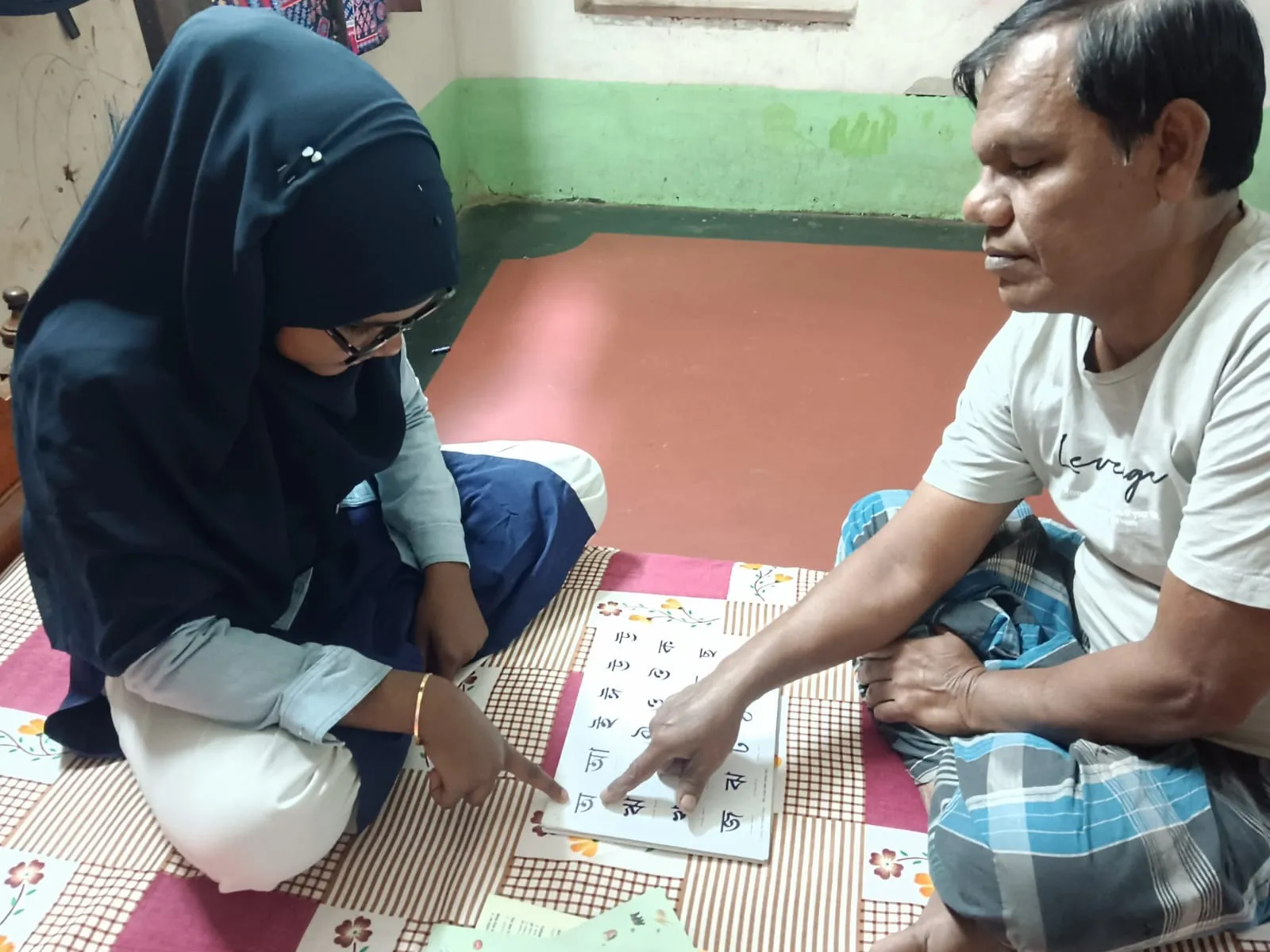
A student teaches at home through DIKSHA, or a centre opens in the village through VIDYA.
Adults will not be taught like children.
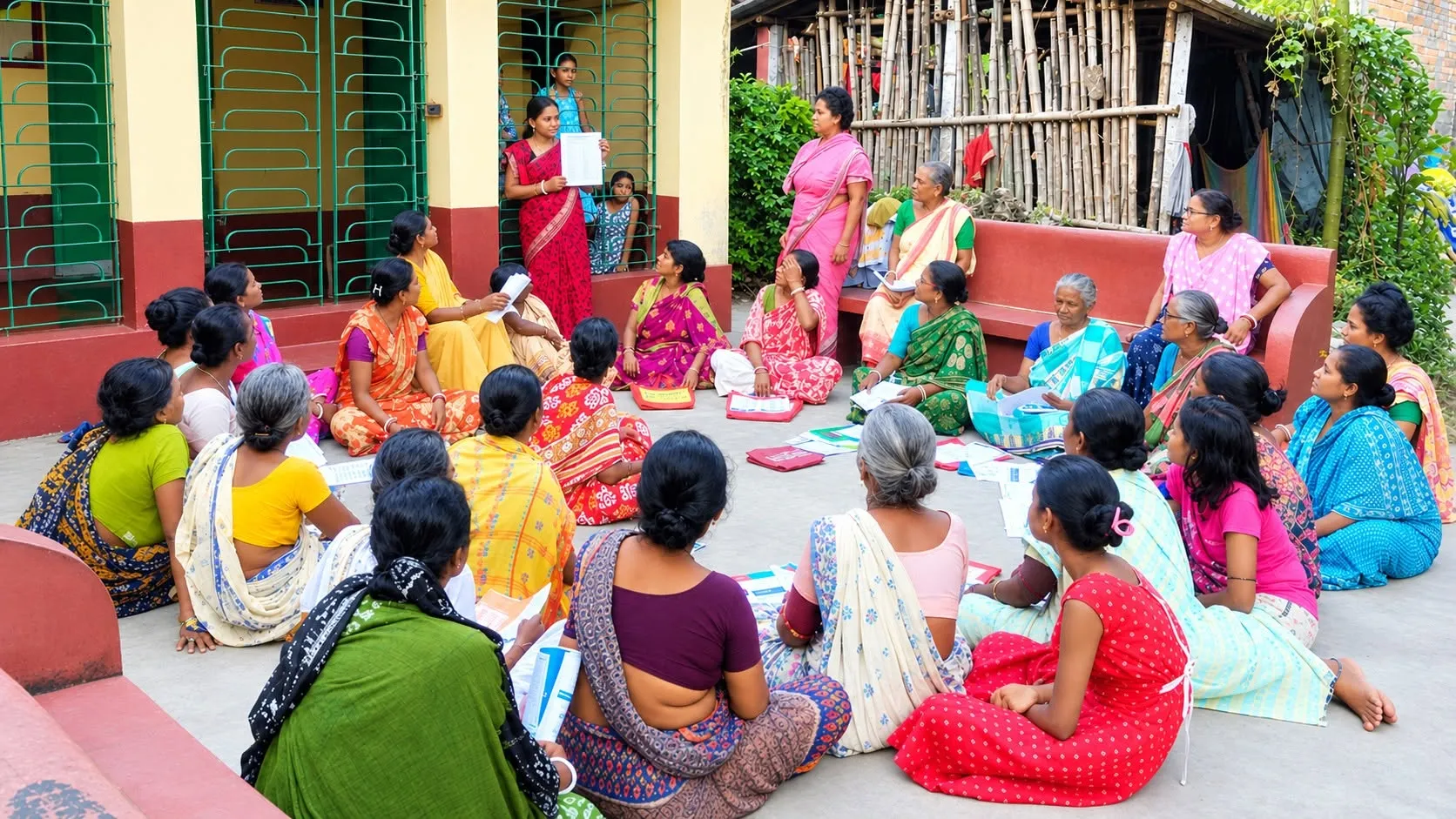
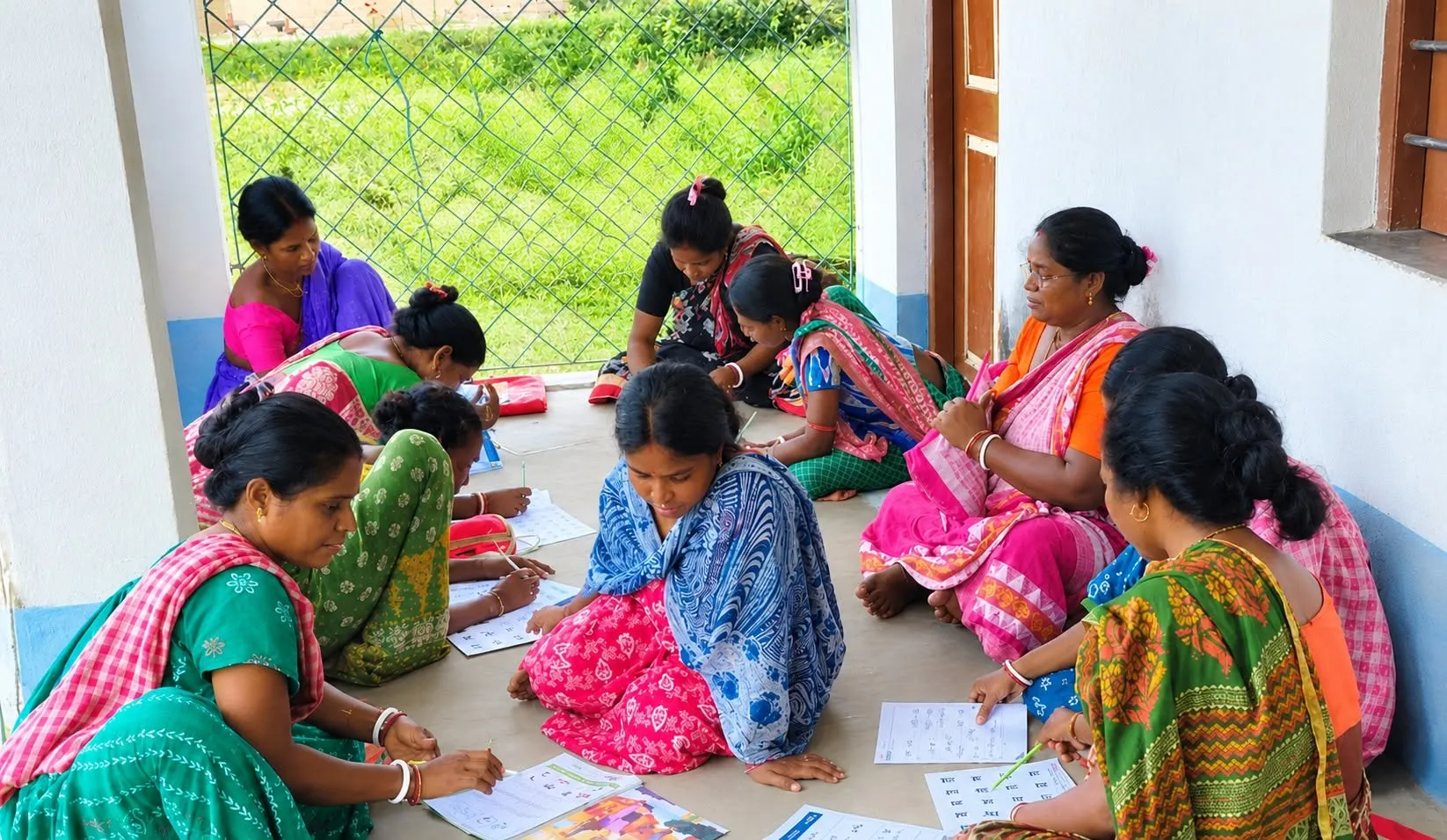
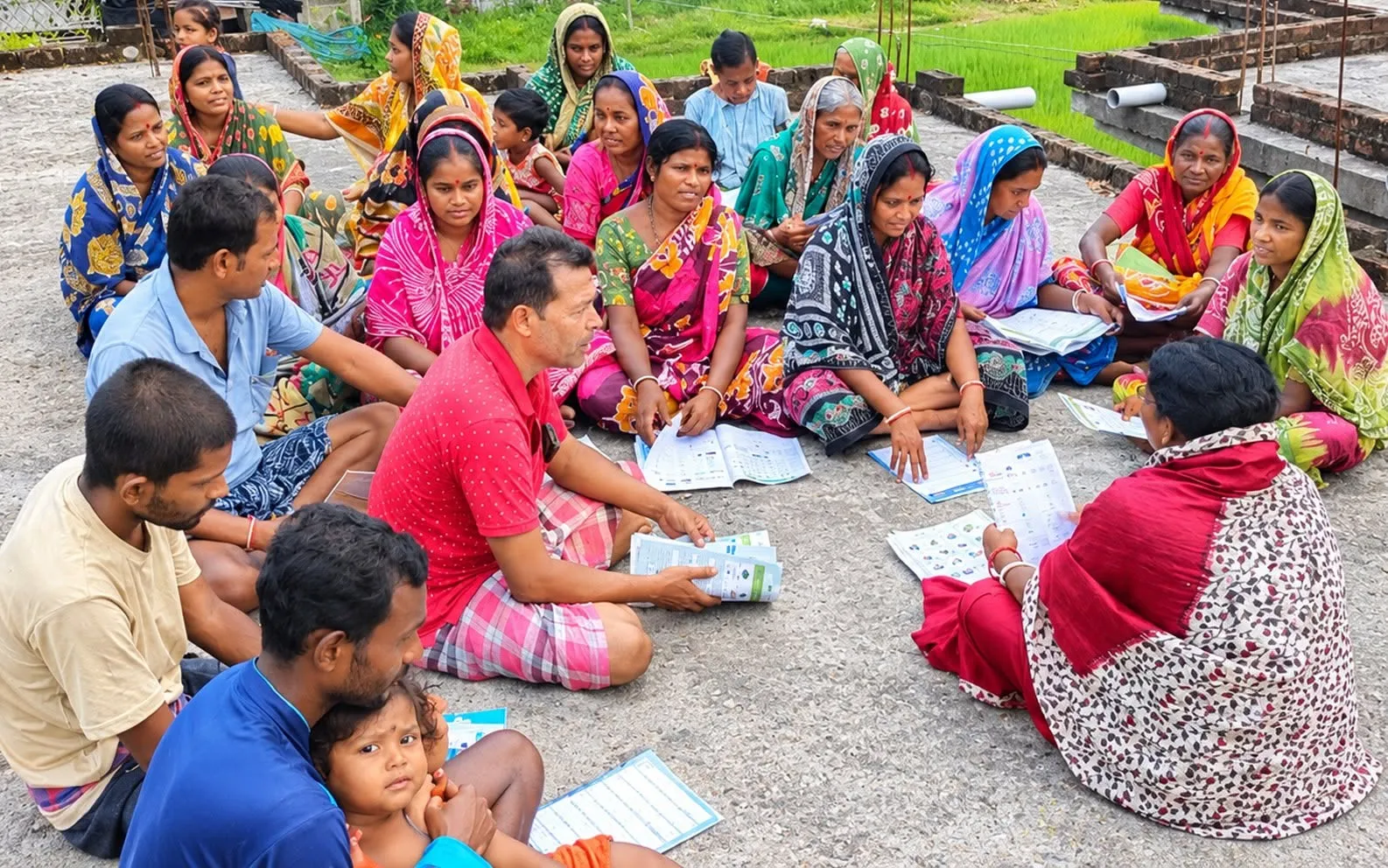
Learners study at home with a family member or neighbour, or among other women and men from their own village.
Generic primers miss real life.
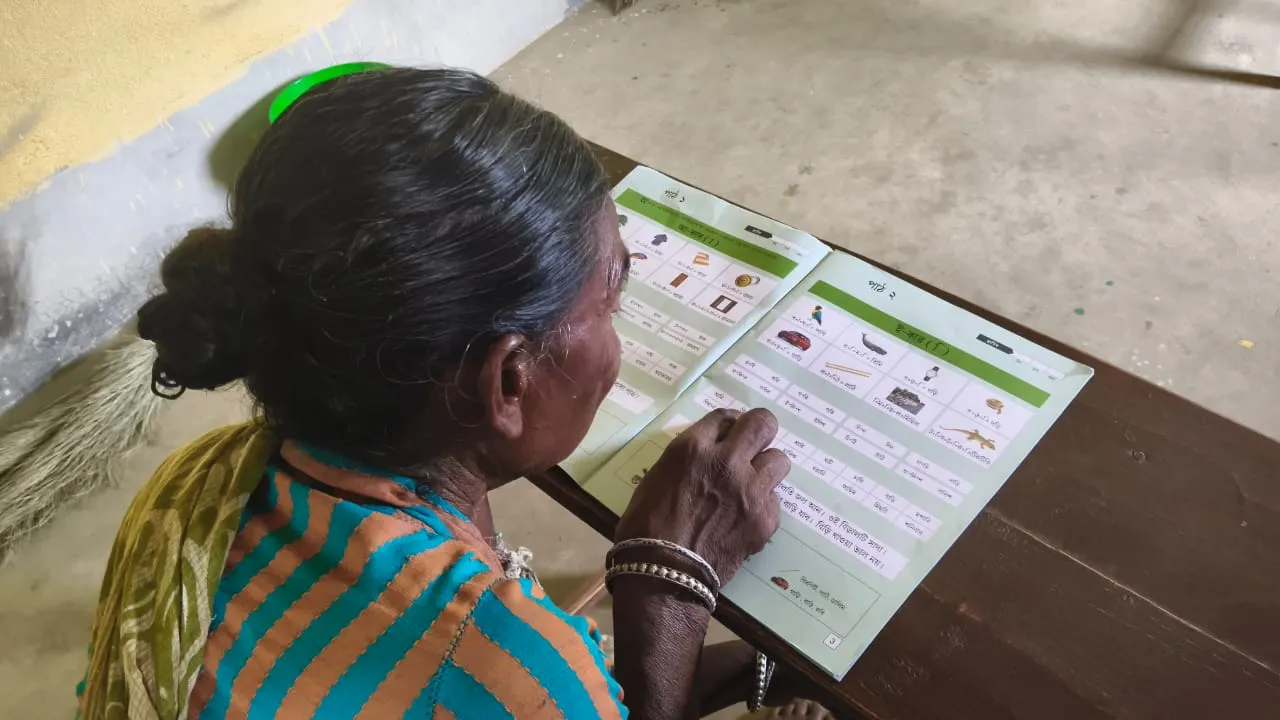
Reading signs, bank slips, forms and medicine labels, writing their name, and working with money — the skills adults use every day.
Why now
The Government's ULLAS – Nav Bharat Saaksharta Karyakram (2022–27), aligned with NEP 2020, calls on every literate citizen to teach at least one adult in their community.
Akshar Jyoti answers that call.
From the field
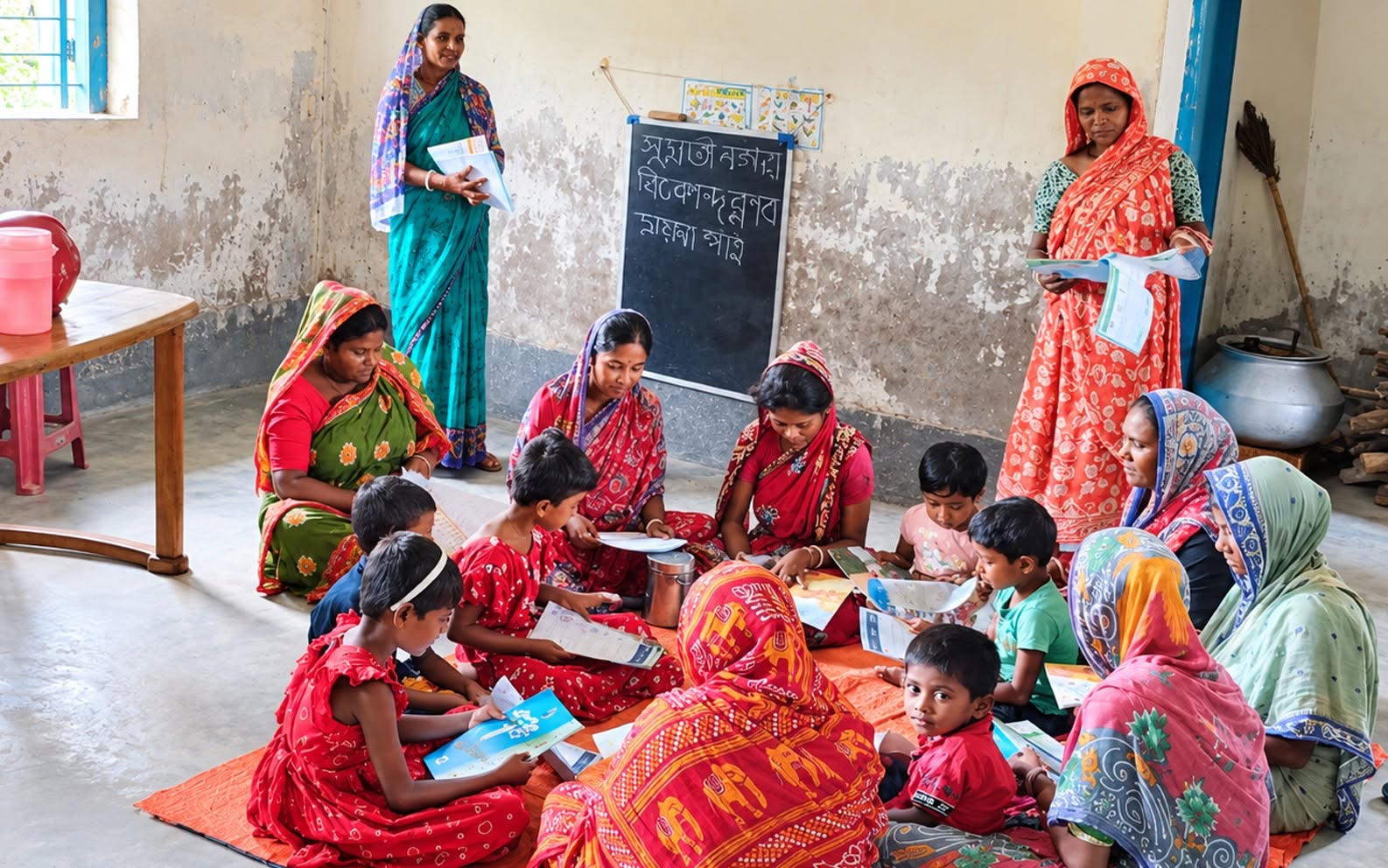
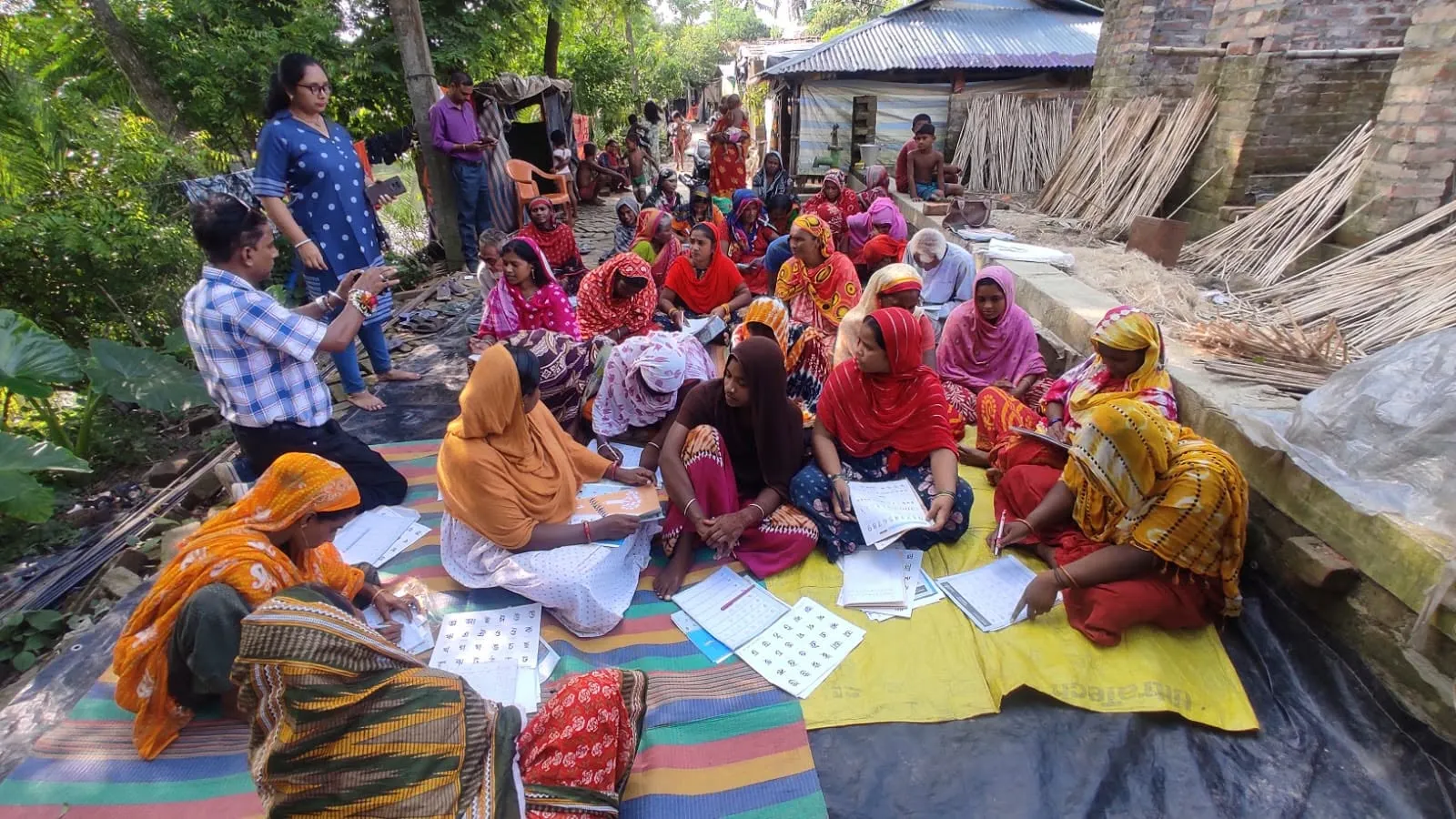
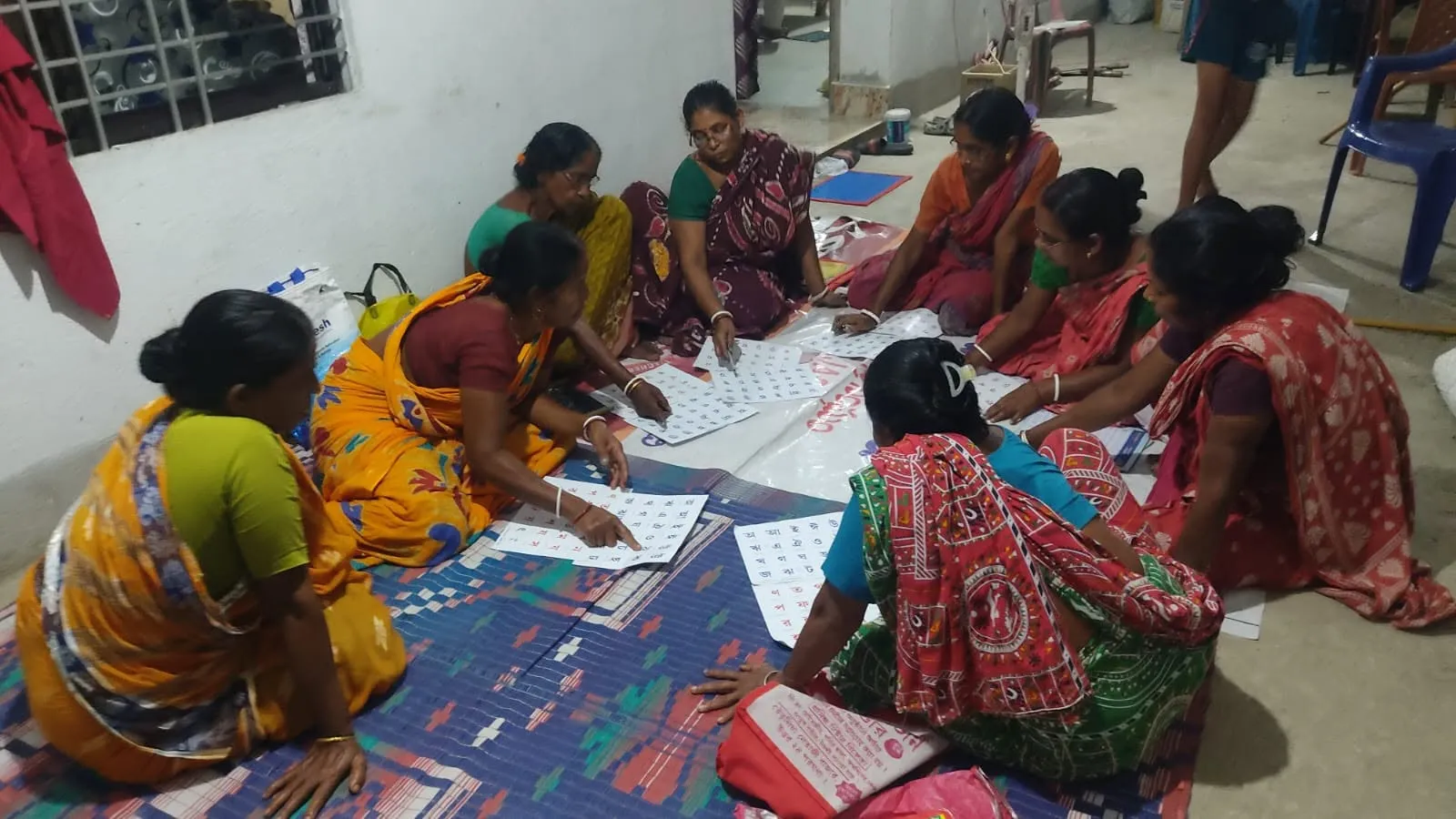
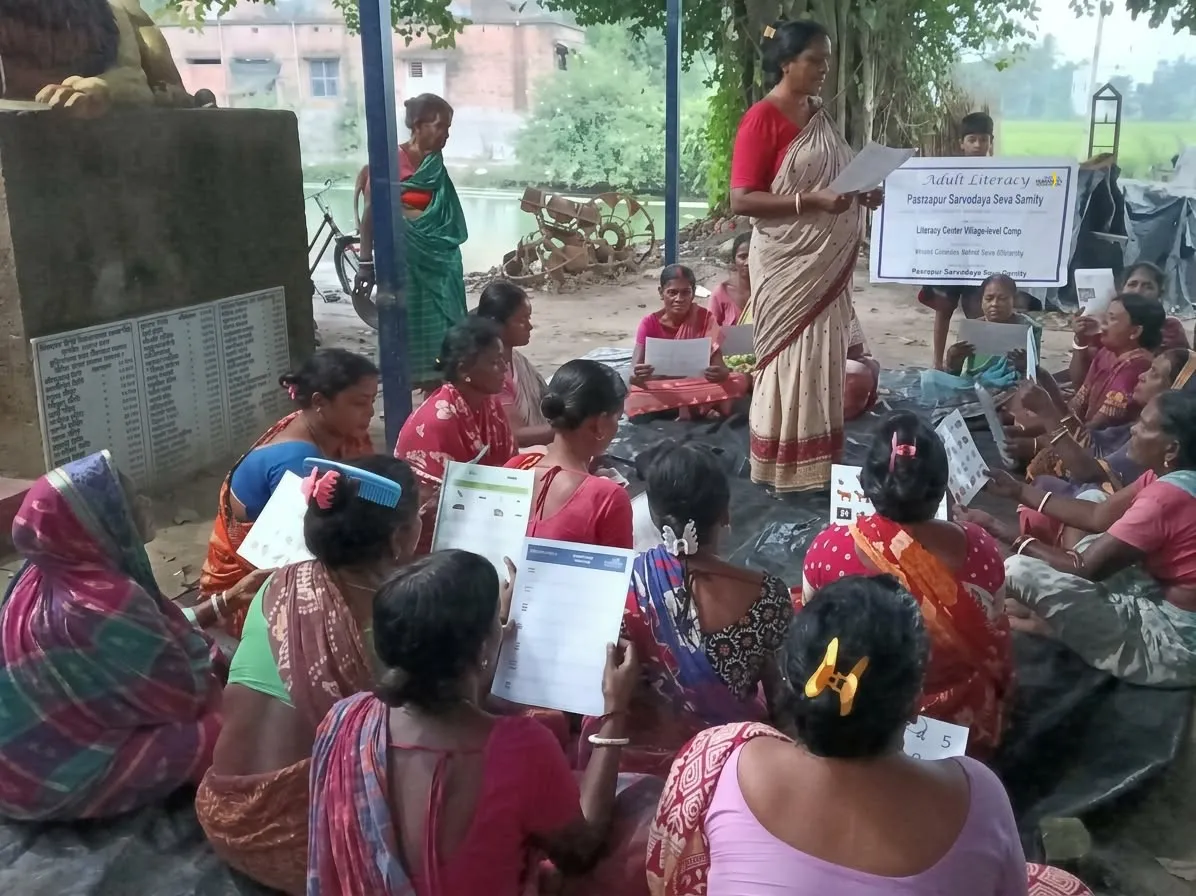
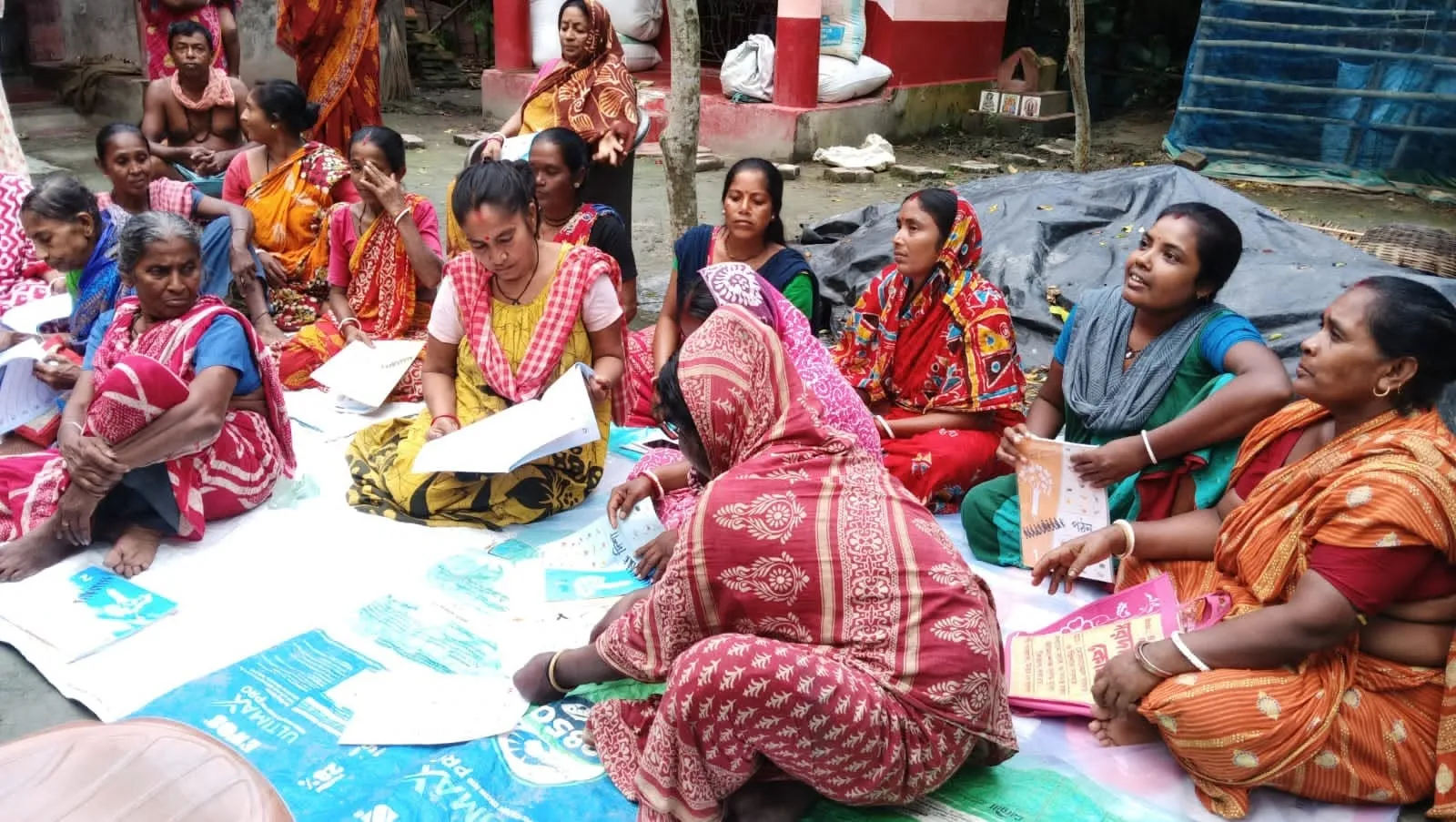
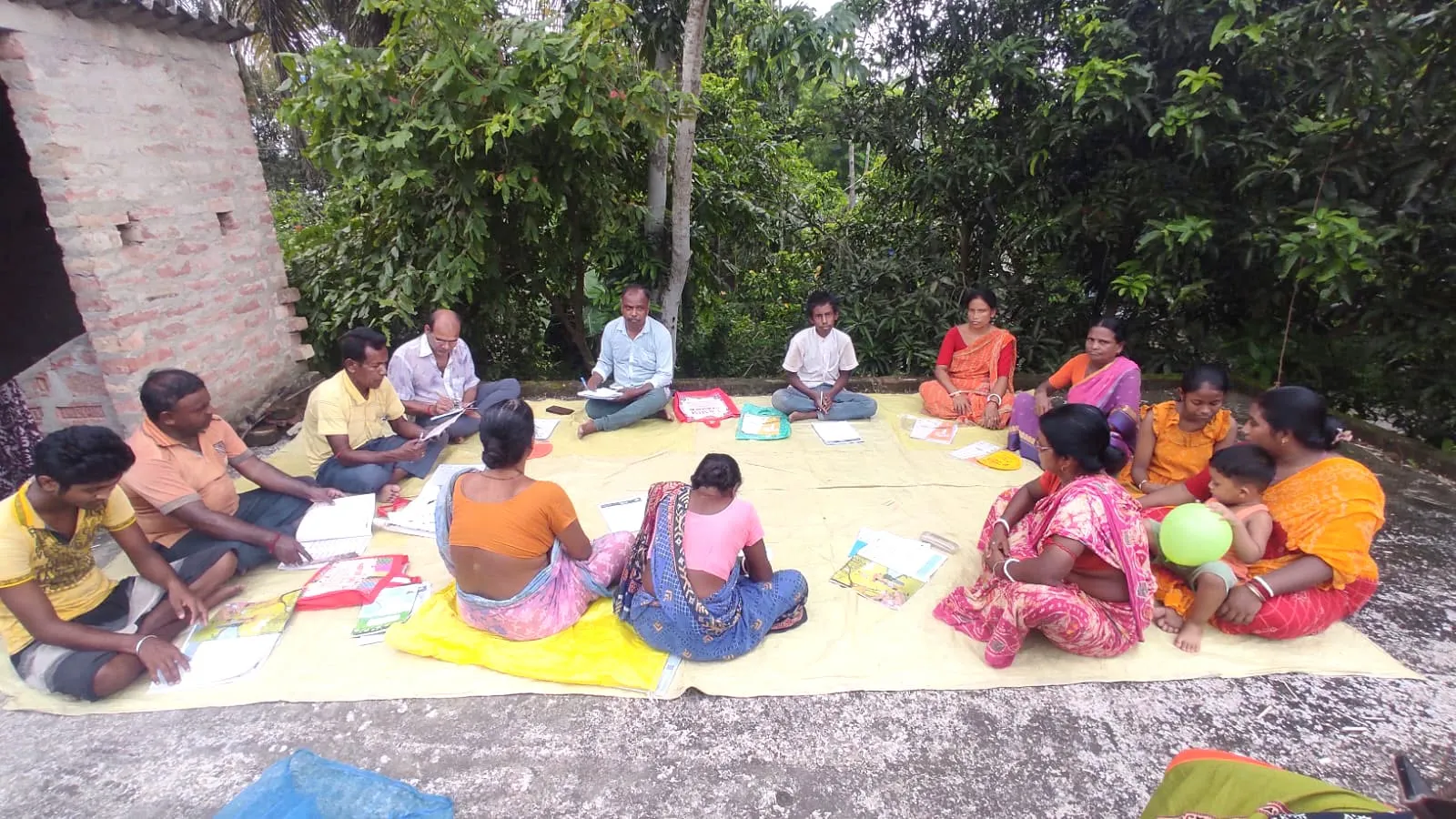
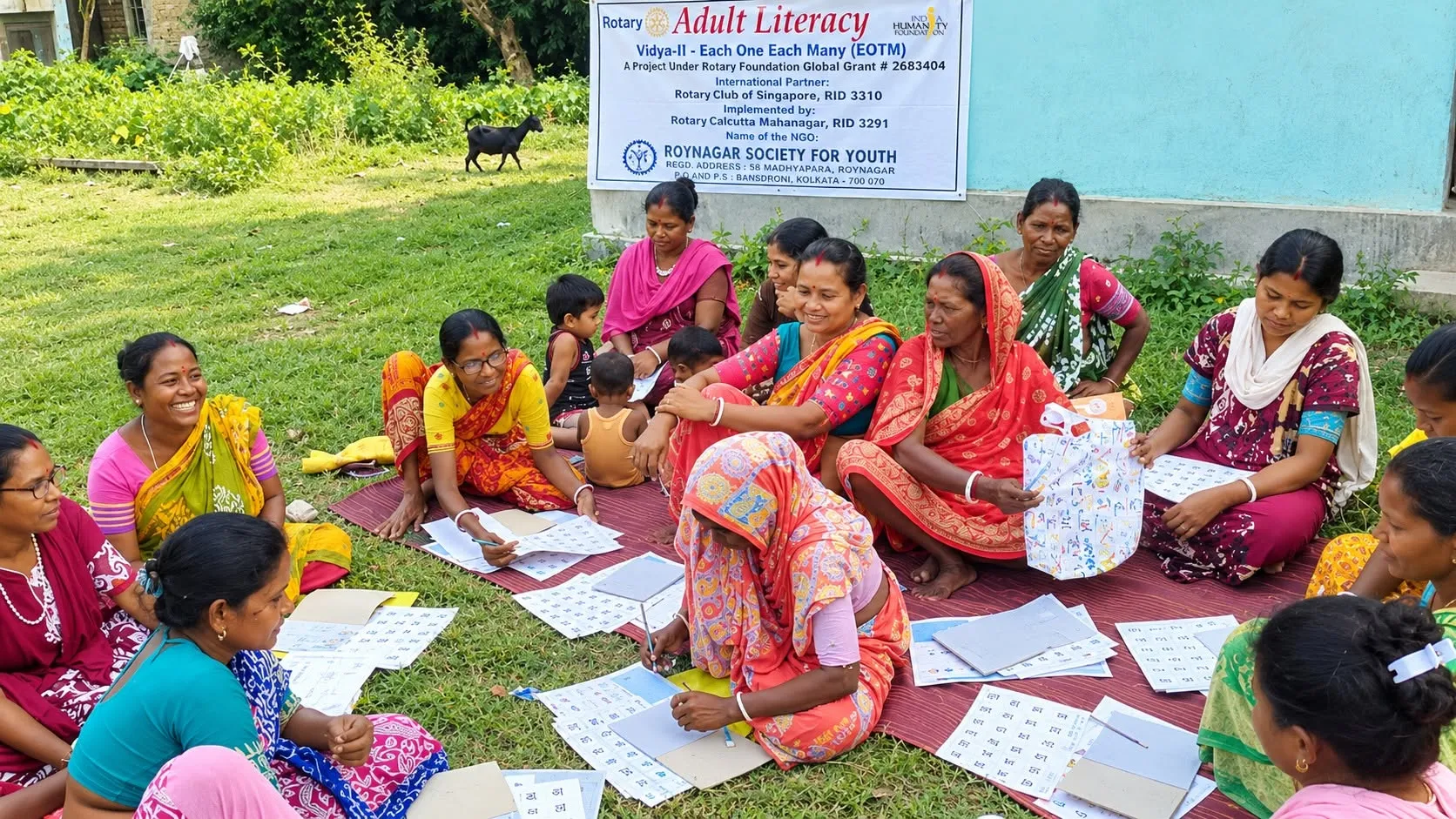
Every adult who learns to read needs someone beside them. ₹600 makes one adult literate. Fund a learner, bring the programme to your community, or teach an adult yourself.