Our implementation model
One brand. Two delivery models. One promise.
Akshar Jyoti has helped more than 4,00,000 adults across 20 states learn to read, write and count. It works in two ways: a school student teaches an adult at home, or a trained teacher from the village runs a learning centre.
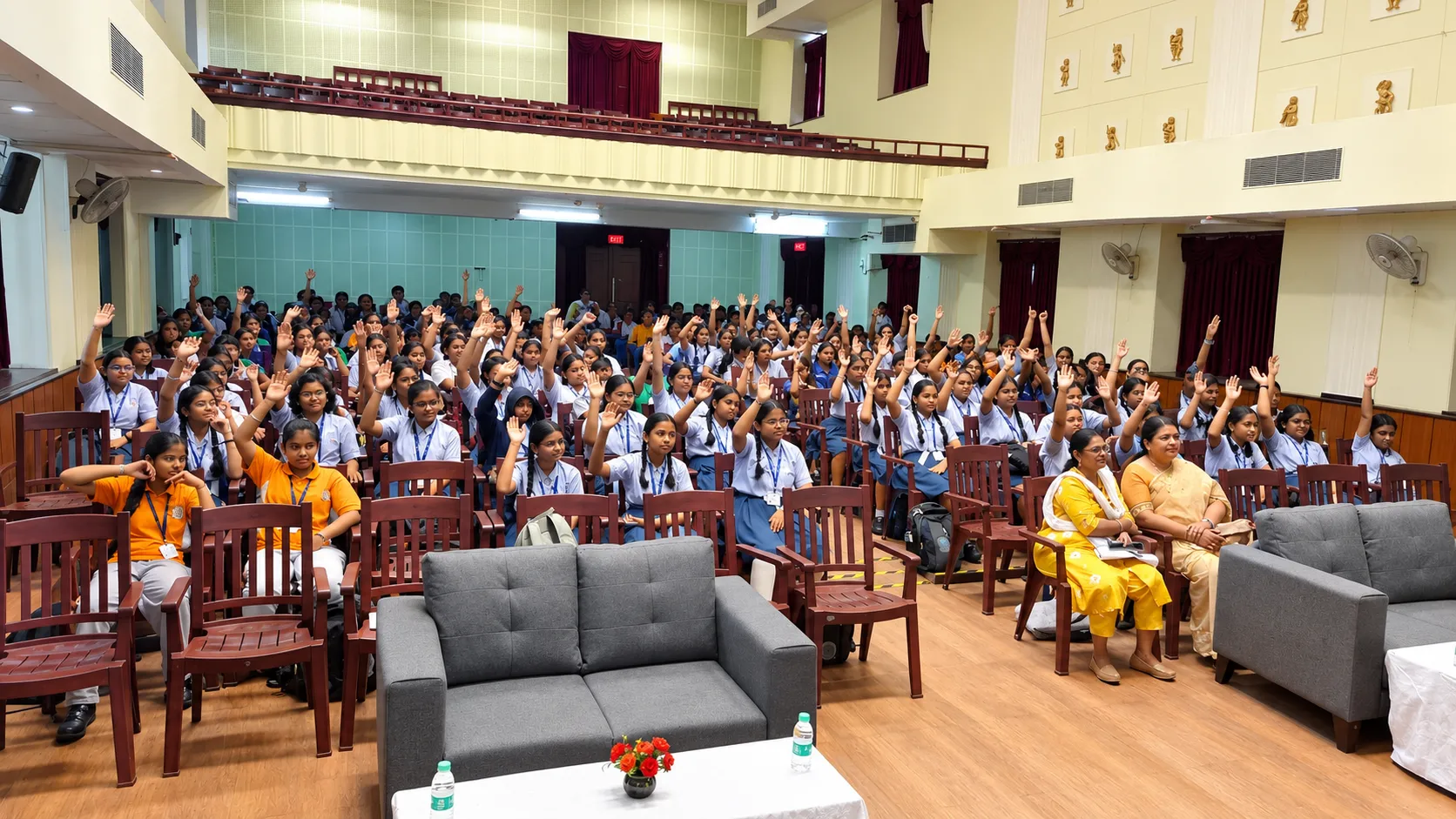
DIKSHA student volunteers with their toolkits on orientation day at a partner school
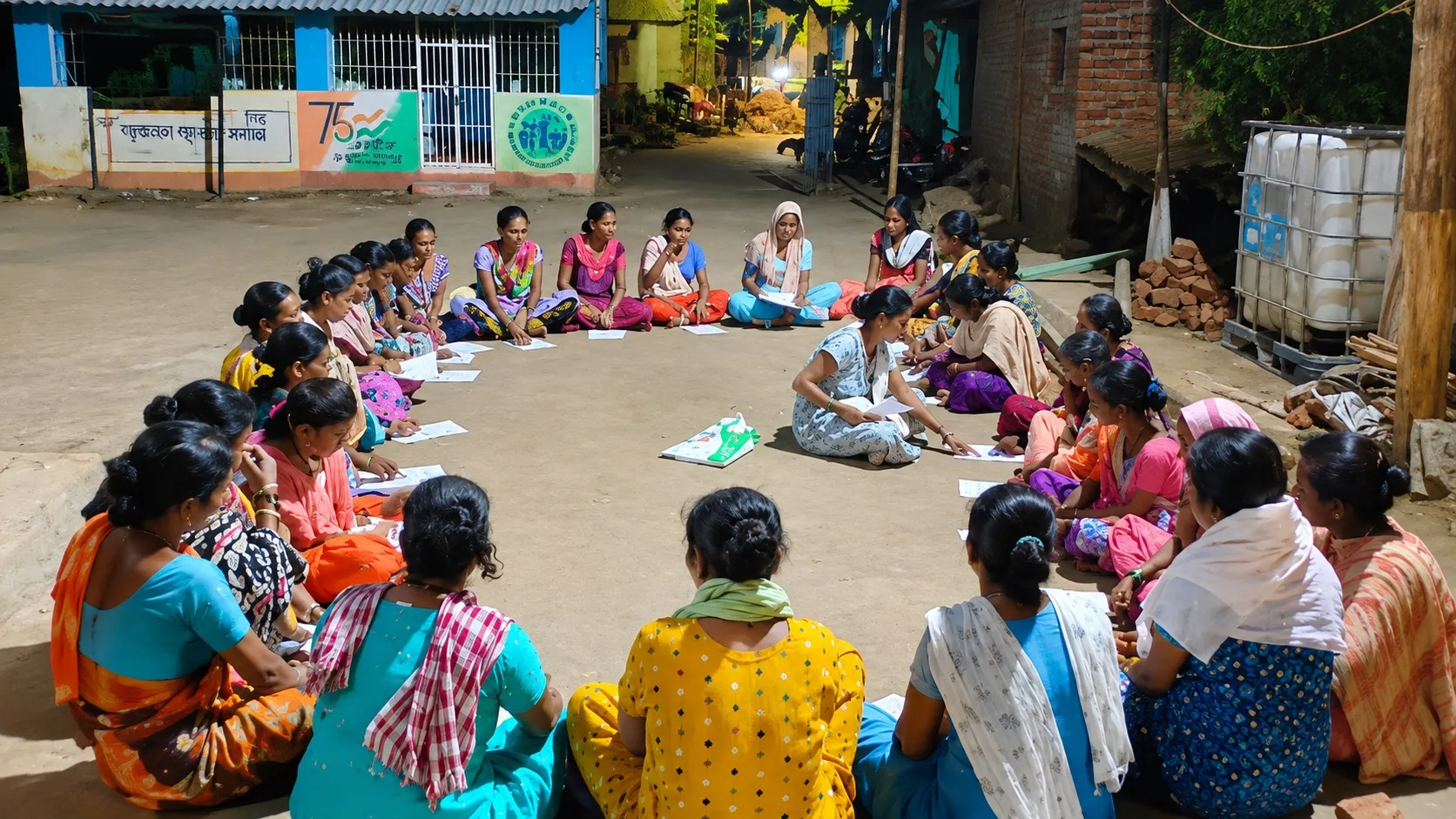
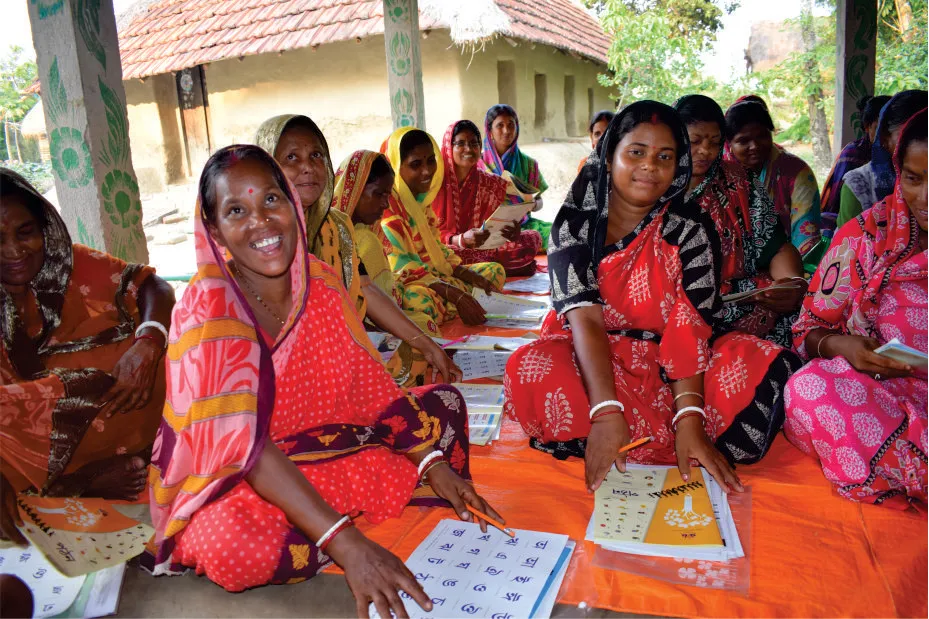
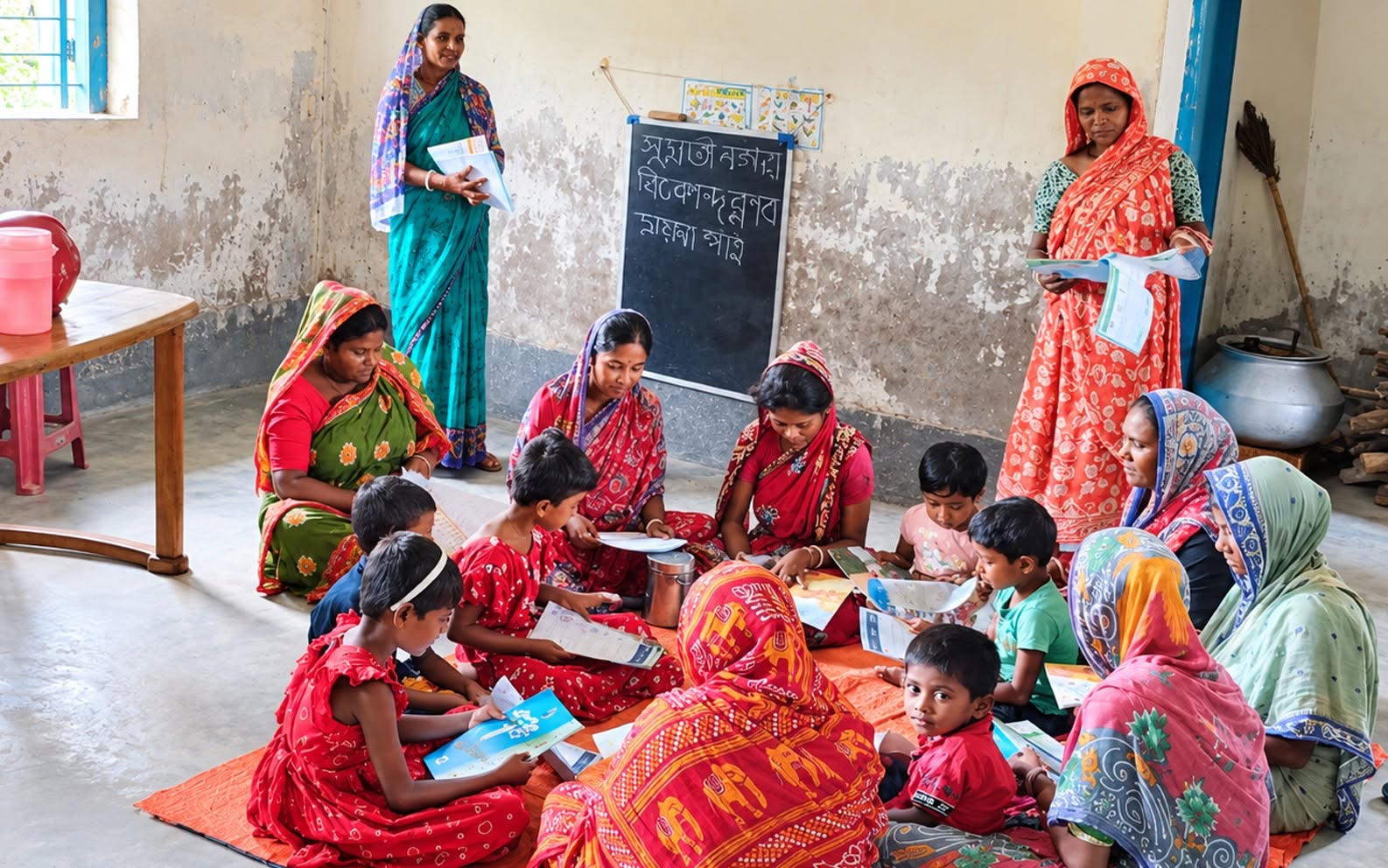
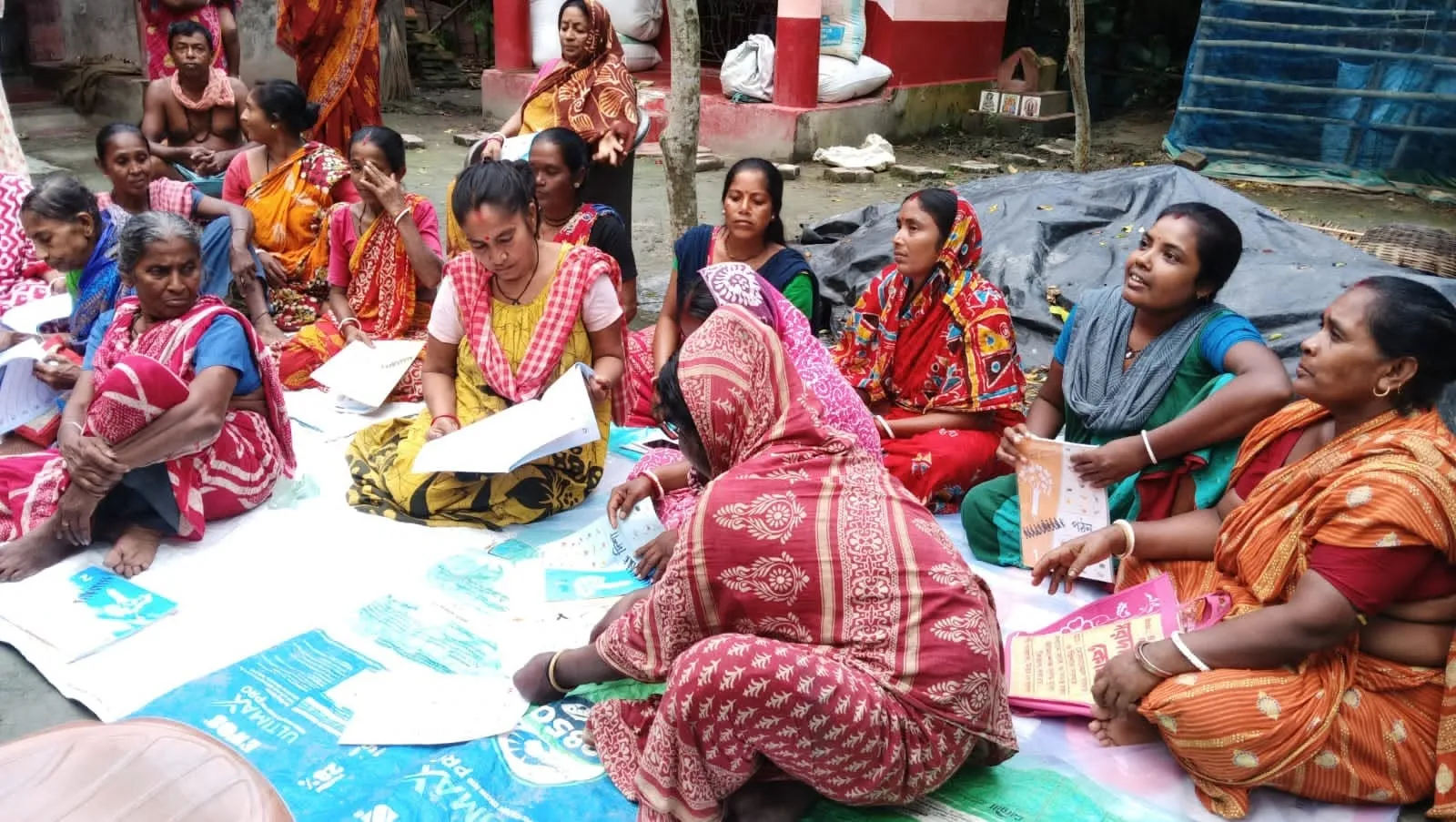
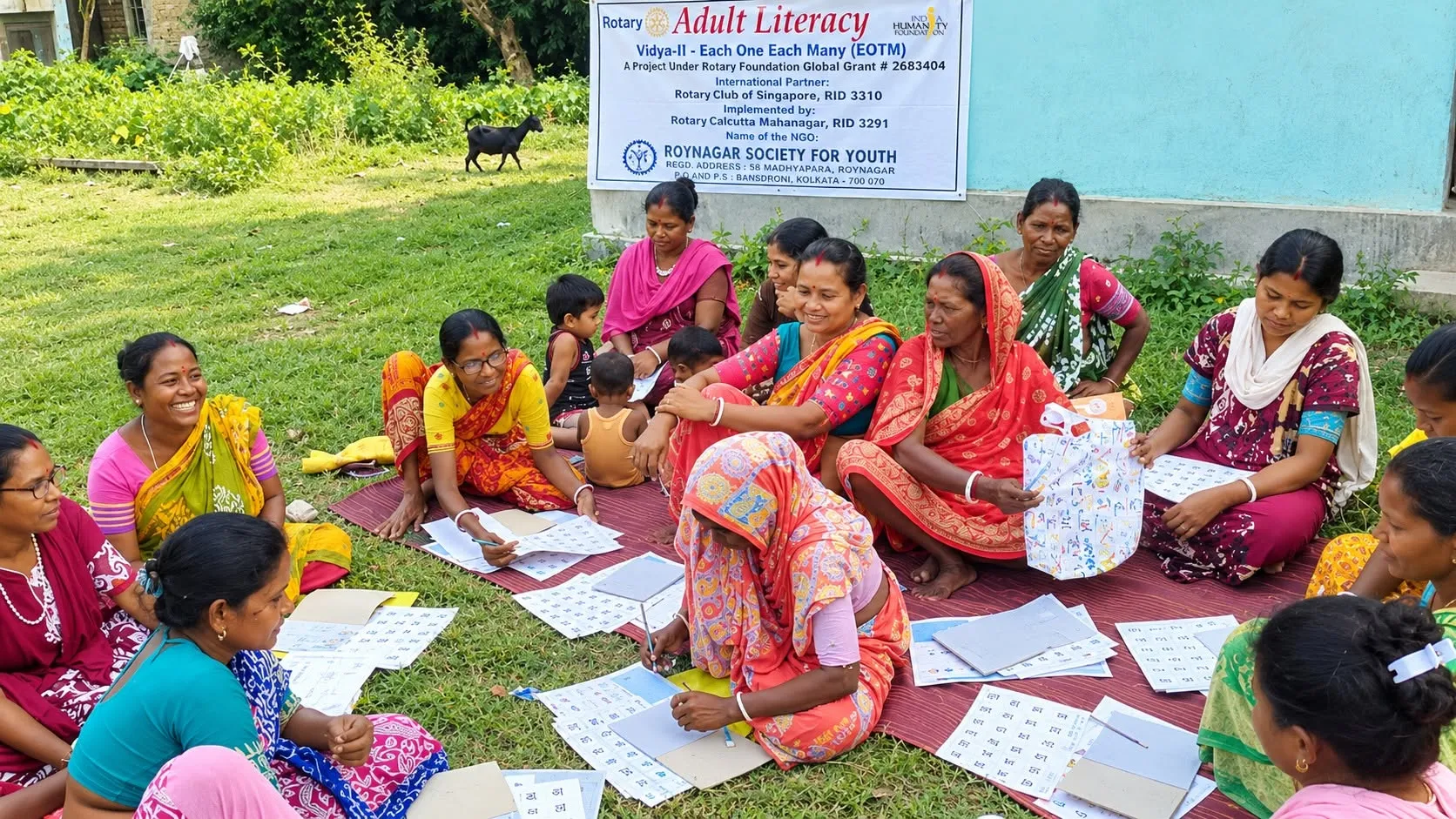
A VIDYA class in a village courtyard
Two ways to reach every adult
A student in the home, or a centre in the village
Common spine
60 sessions
30 & 60 — review, then final test
Certificate — issued by IHF
₹600 per adult
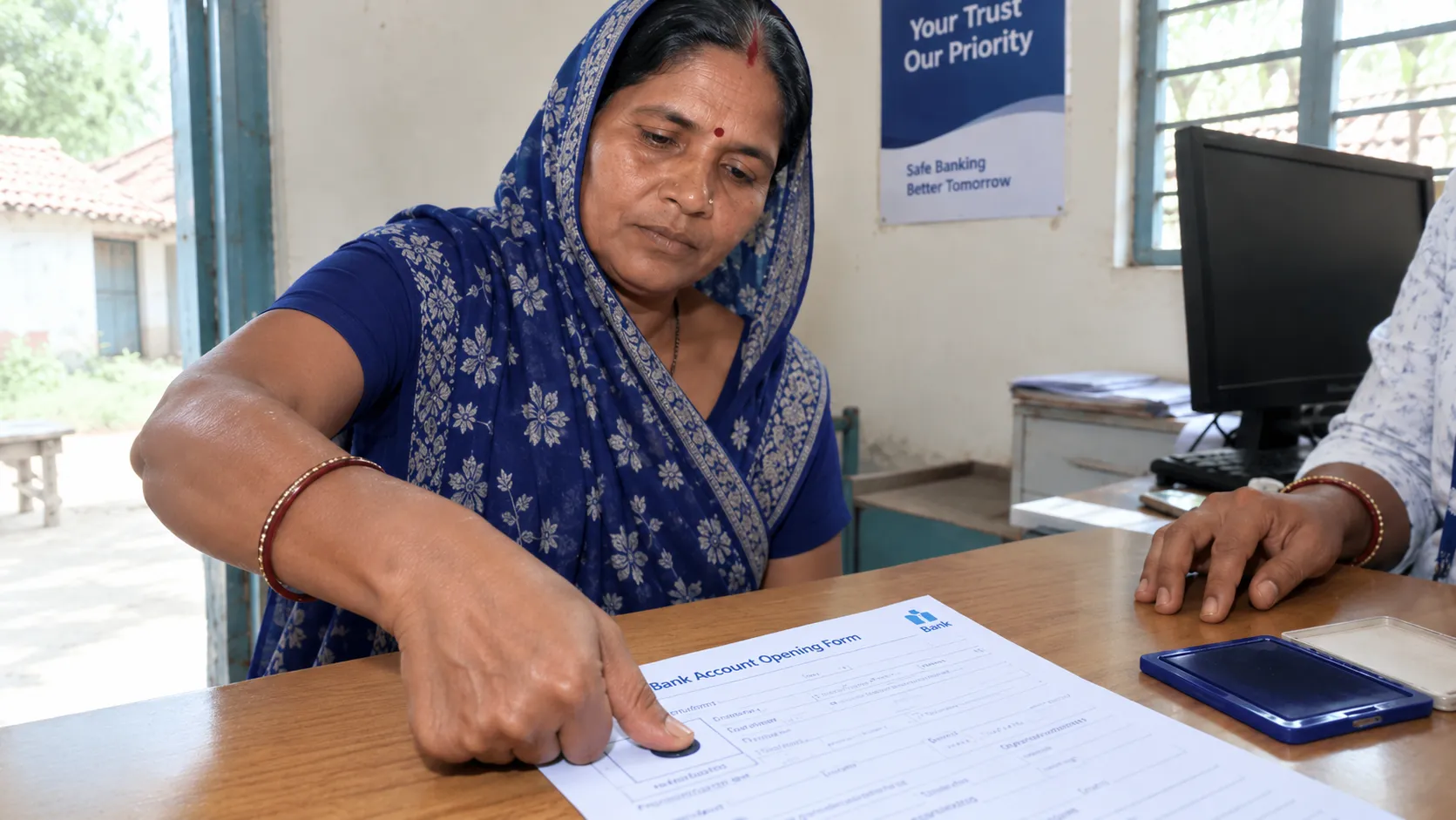
This is Kamala.*
She is 45. She left school before she learnt to read. At the bank, she presses an inked thumb where her signature should be. When her son brings home his report card, she smiles and nods — but she cannot read a word of it.
Between housework and daily-wage work, there is no time to travel to a class. And there is no adult class nearby anyway.
Now, meet Riya.*
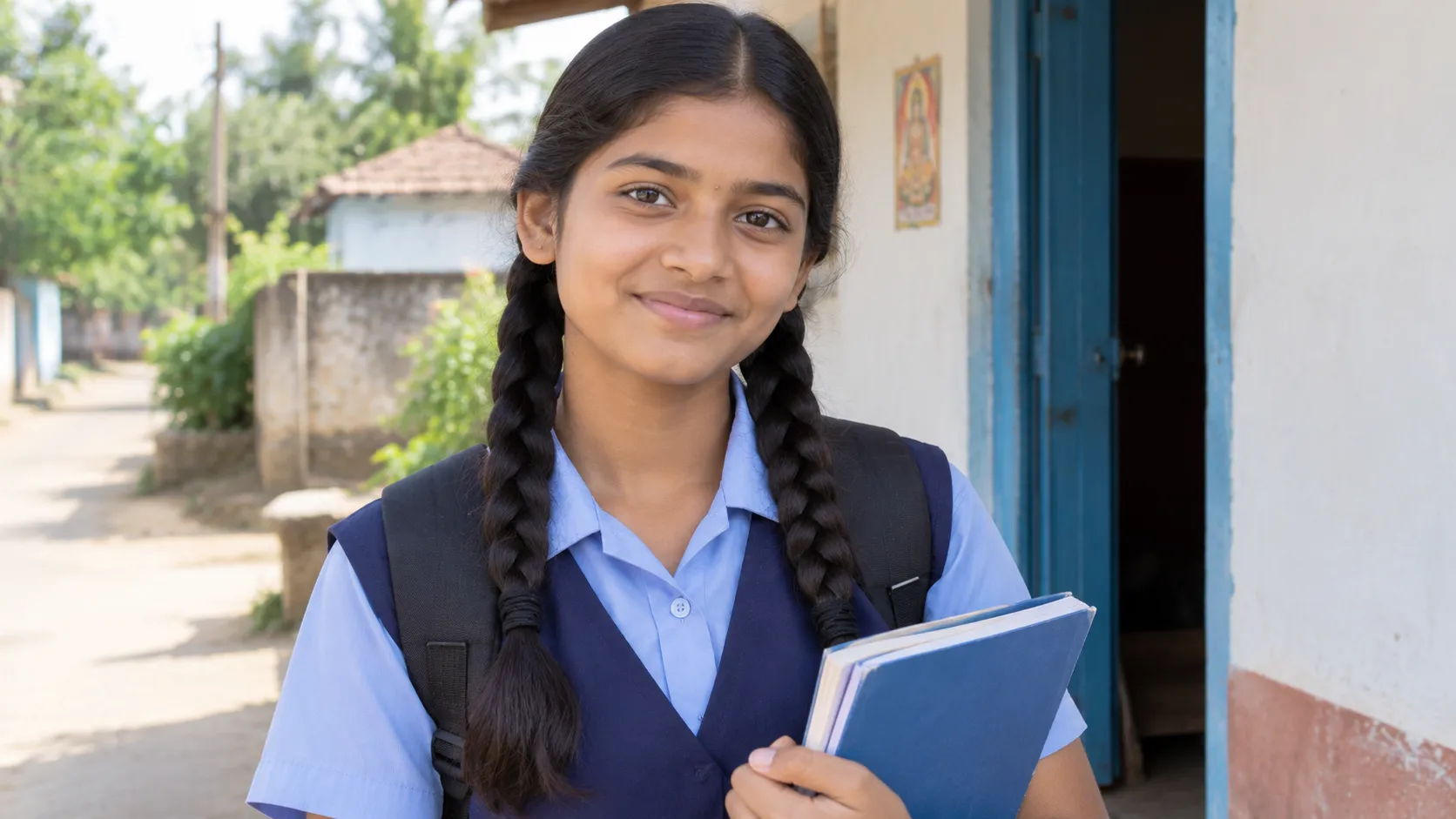
Riya is in Class IX at the government school near her home. When an IHF Field Officer visits her school, she signs up to teach one adult. She chooses Kamala, who lives two doors away. Many volunteers choose their own mother or grandmother.
Here is how DIKSHA works — step by step.
-
1
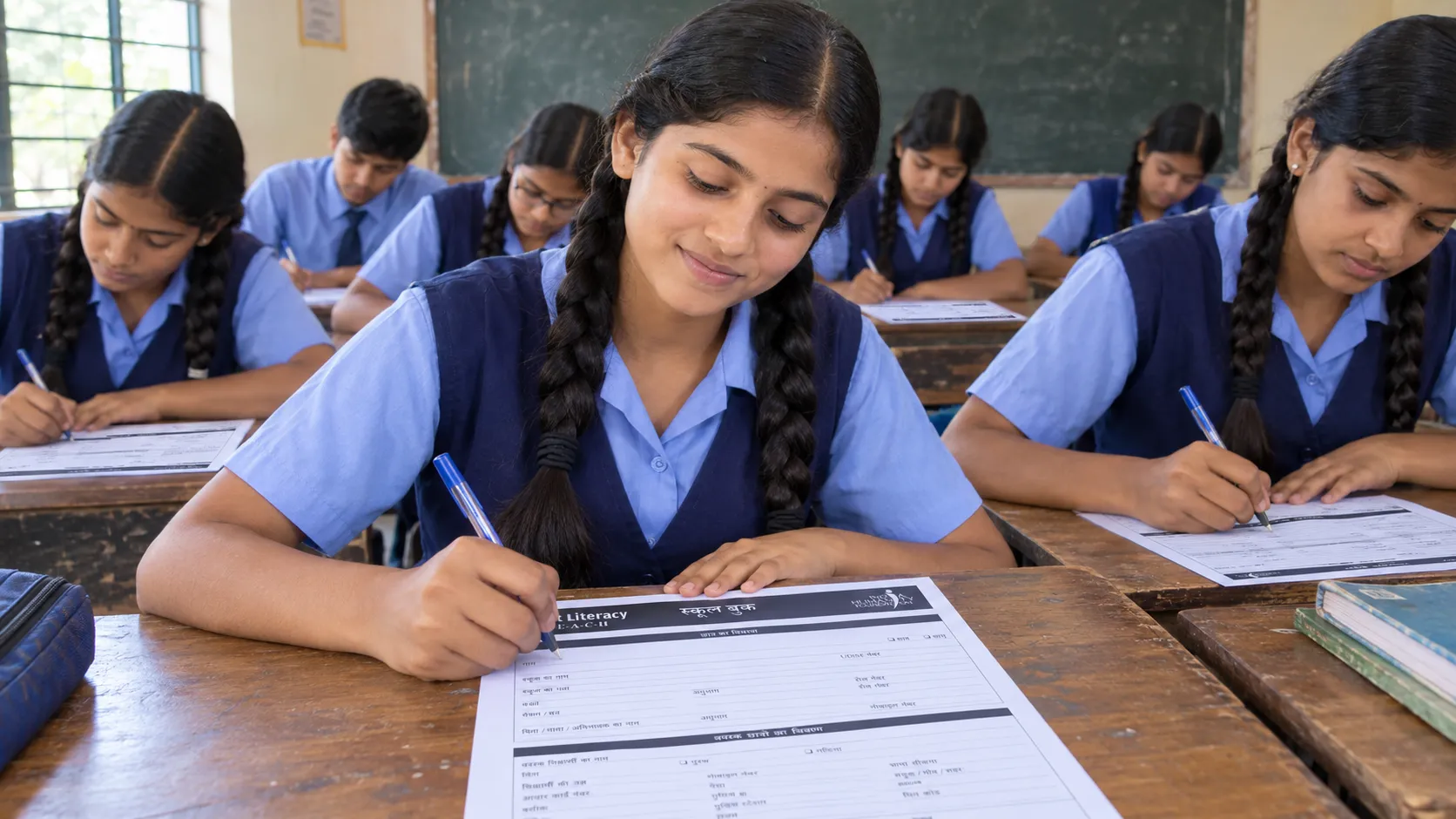
students filling the volunteer registration sheet in class
School on boarding & registration
An IHF Field Officer meets the Principal and a Teacher Coordinator and brings the school on board. Students who volunteer register on the IHF portal, along with the one adult (15+) they will teach. A parent signs the consent form.
Riya signs up — and registers Kamala as her learner.
-
2
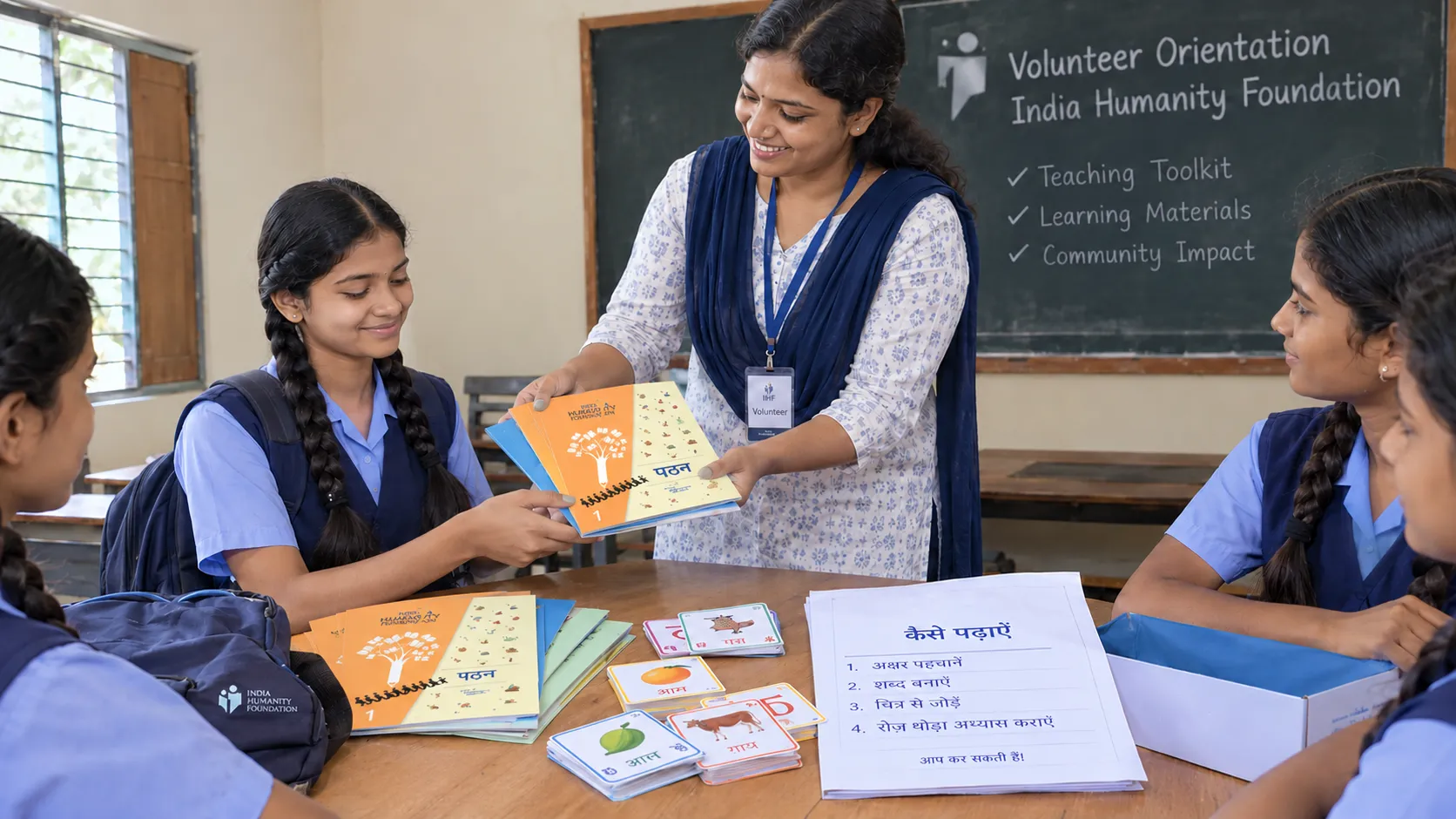
Field Officer explaining the toolkit; students holding Pathan & Disha
Orientation & toolkit
In a short session at school, the Field Officer shows the volunteers how to use the toolkit. Each volunteer takes home a kit in their own language and starts teaching the very next day.
Riya goes home with books, flash cards and an instruction sheet written so simply that a 14-year-old can teach correctly.
-
3
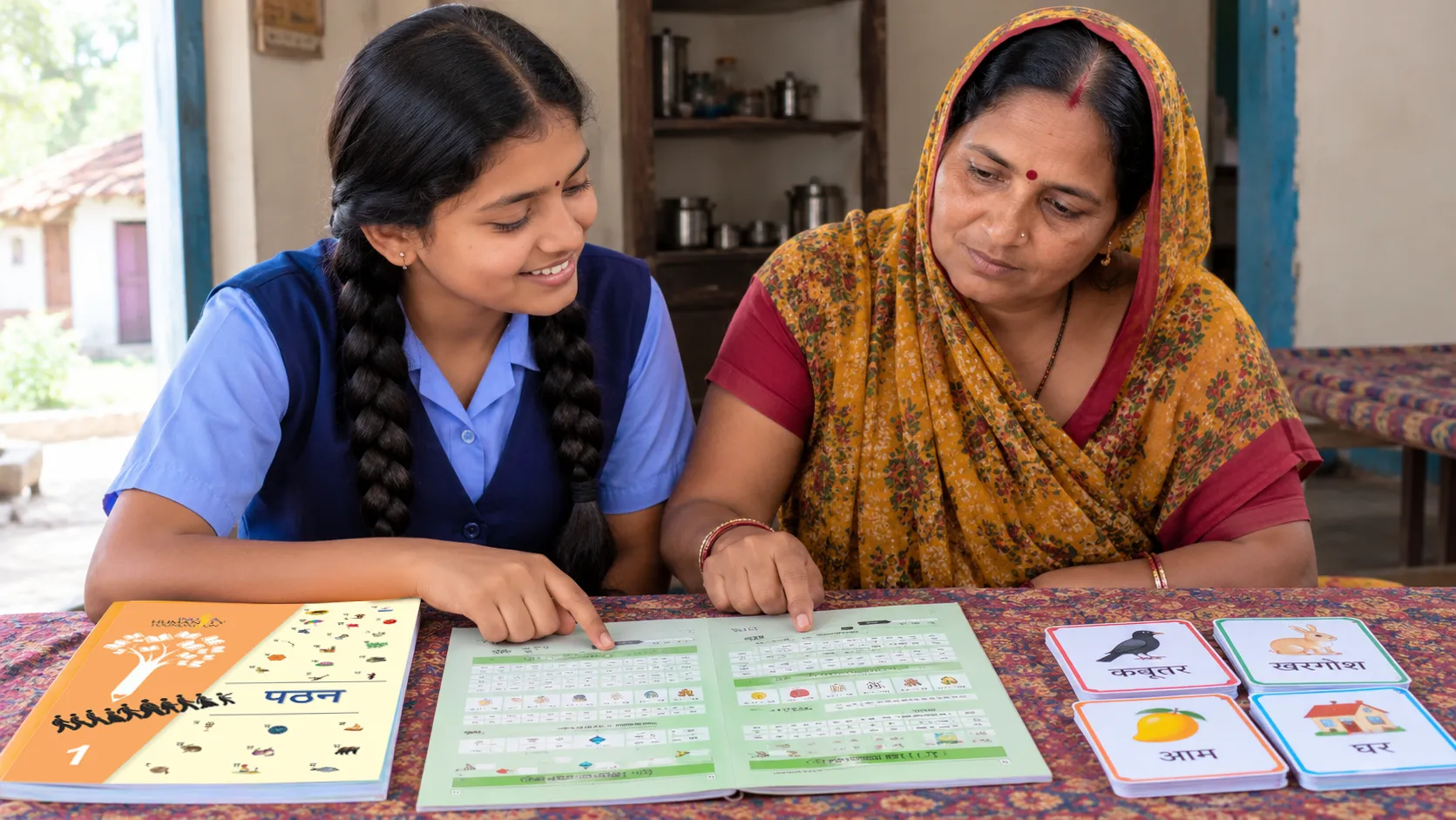
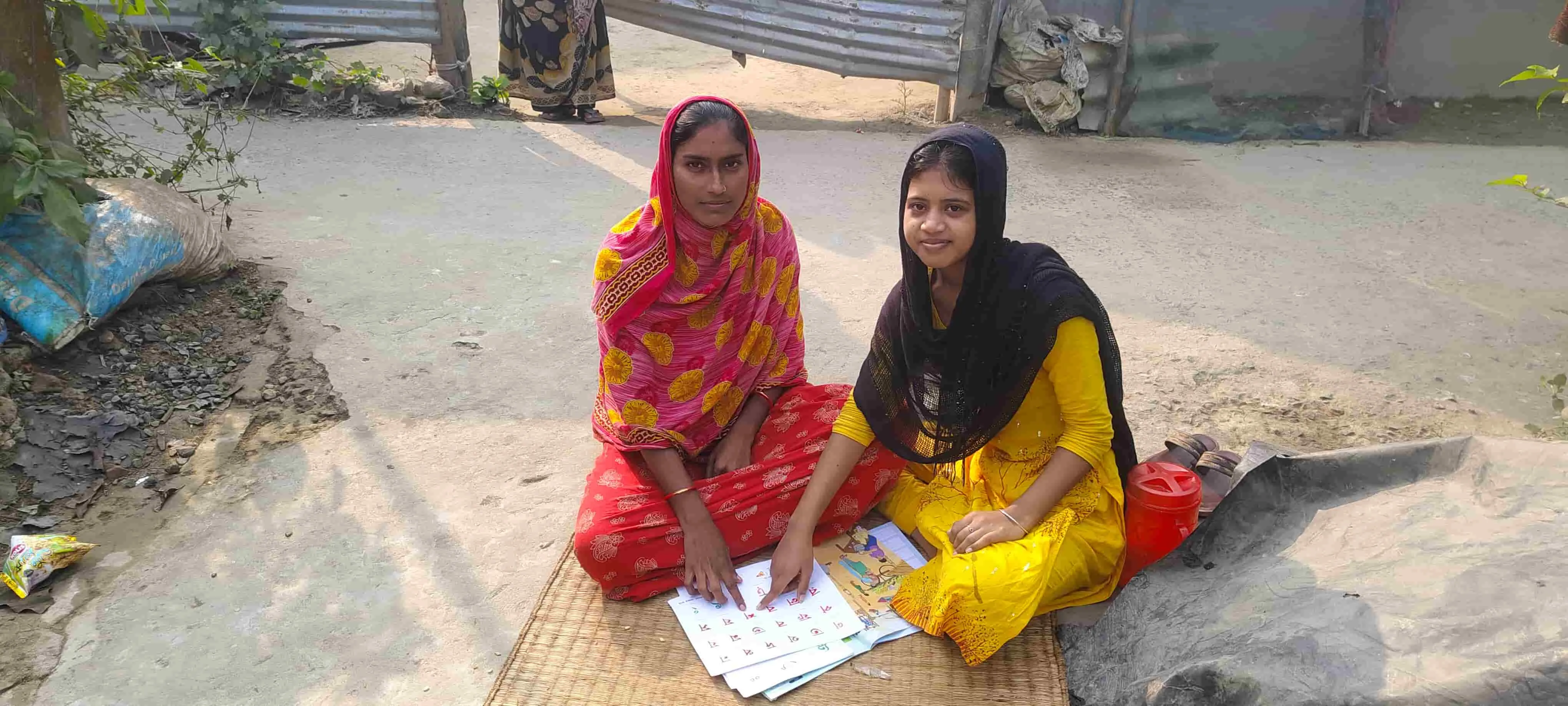
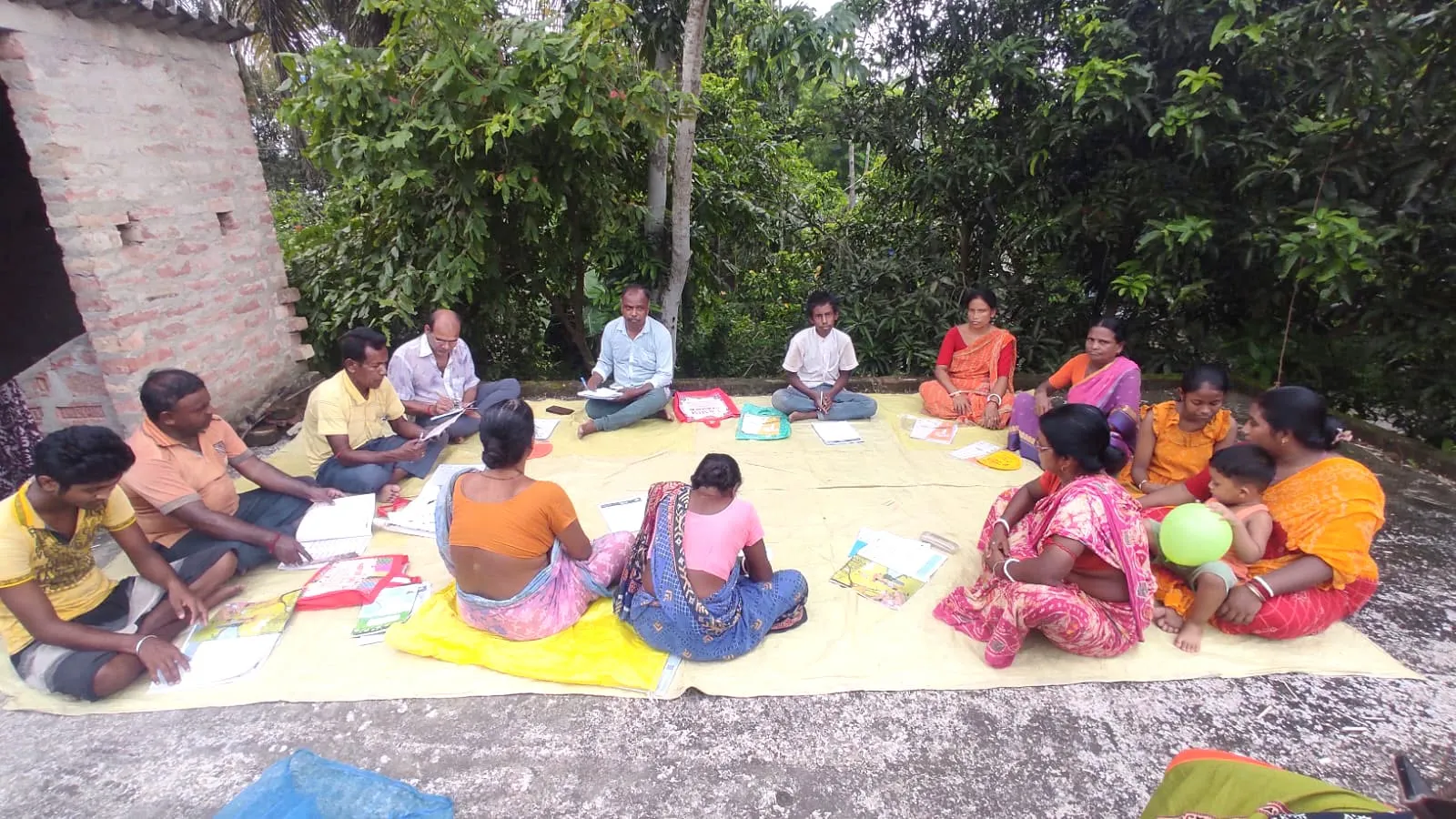
A volunteer’s own uploaded photo of a doorstep lesson
Sixty sessions
45–60 minutes a day, at the learner’s home or doorstep, at a time that suits her. No travel, no classroom, no embarrassment. Volunteers upload photos of their teaching days on the IHF portal.
Every evening, once the cooking is done, Kamala and Riya sit on the doorstep. Slowly, the letters start to make sense.
-
4
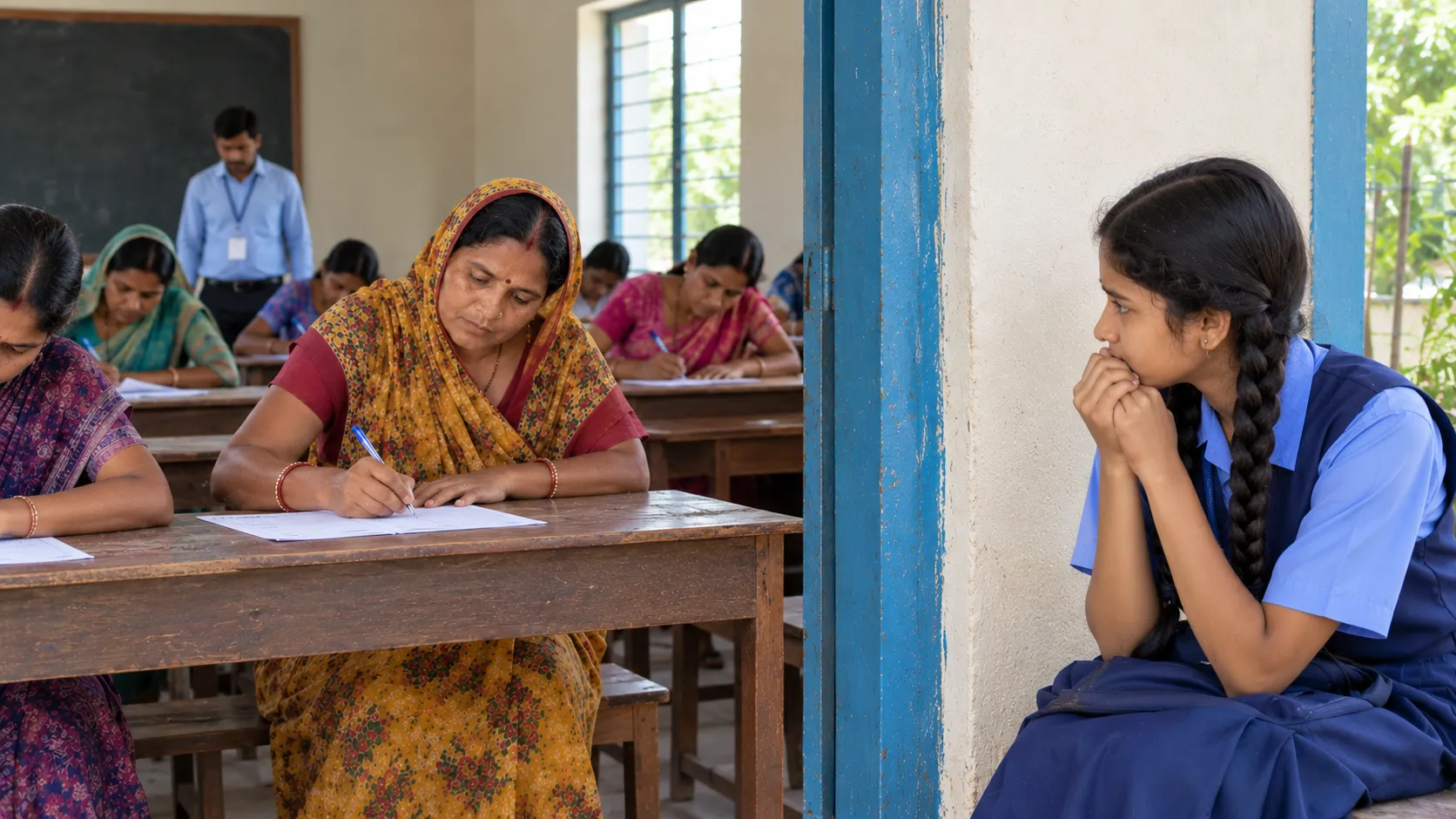
learner writing her test at home, volunteer beside her
Assessment
The volunteer fills a feedback form after session 30 and again after session 60. Then the learner takes a simple test of reading, writing and numbers. The marks go on the portal, and the Field Officer checks them.
Kamala writes her test at home. Riya sits beside her — more nervous than her student, and not allowed to help.
-
5
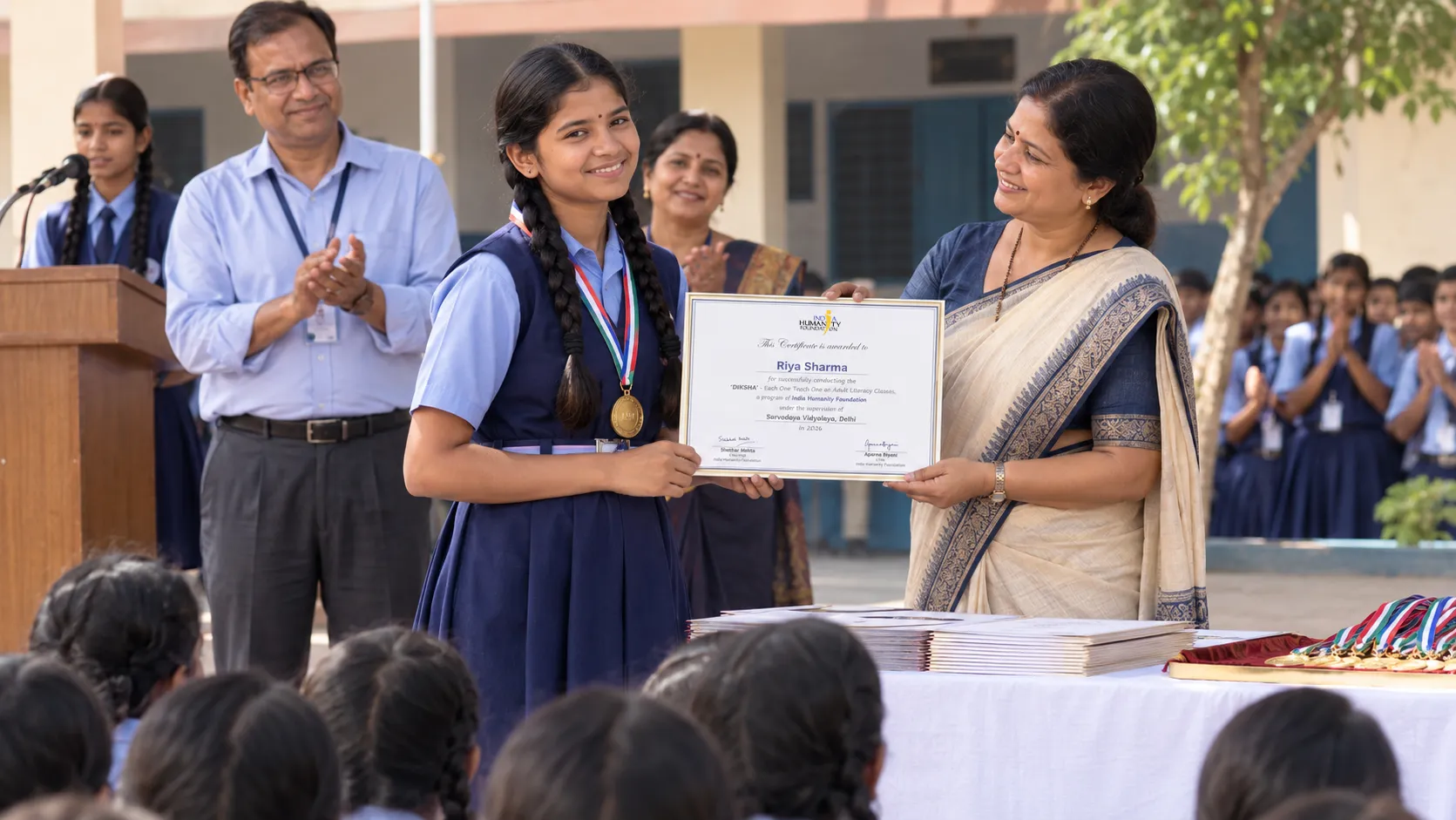
certificate / medal handover at a school assembly
Certification & recognition
The learner and the volunteer both get certificates. The volunteer also gets a Literacy Hero medal, and the school gets a certificate and memento, usually at the morning assembly. Photo and scrapbook contests reward the most committed volunteers.
Riya walks up in front of her whole school to receive her medal.
But one learner is not enough.
When a whole school takes part, dozens of homes become classrooms at once — and no teacher has to be hired.
1,00,000+ adults made
literate
1,00,000+ young
volunteers
Teachers: student
volunteers
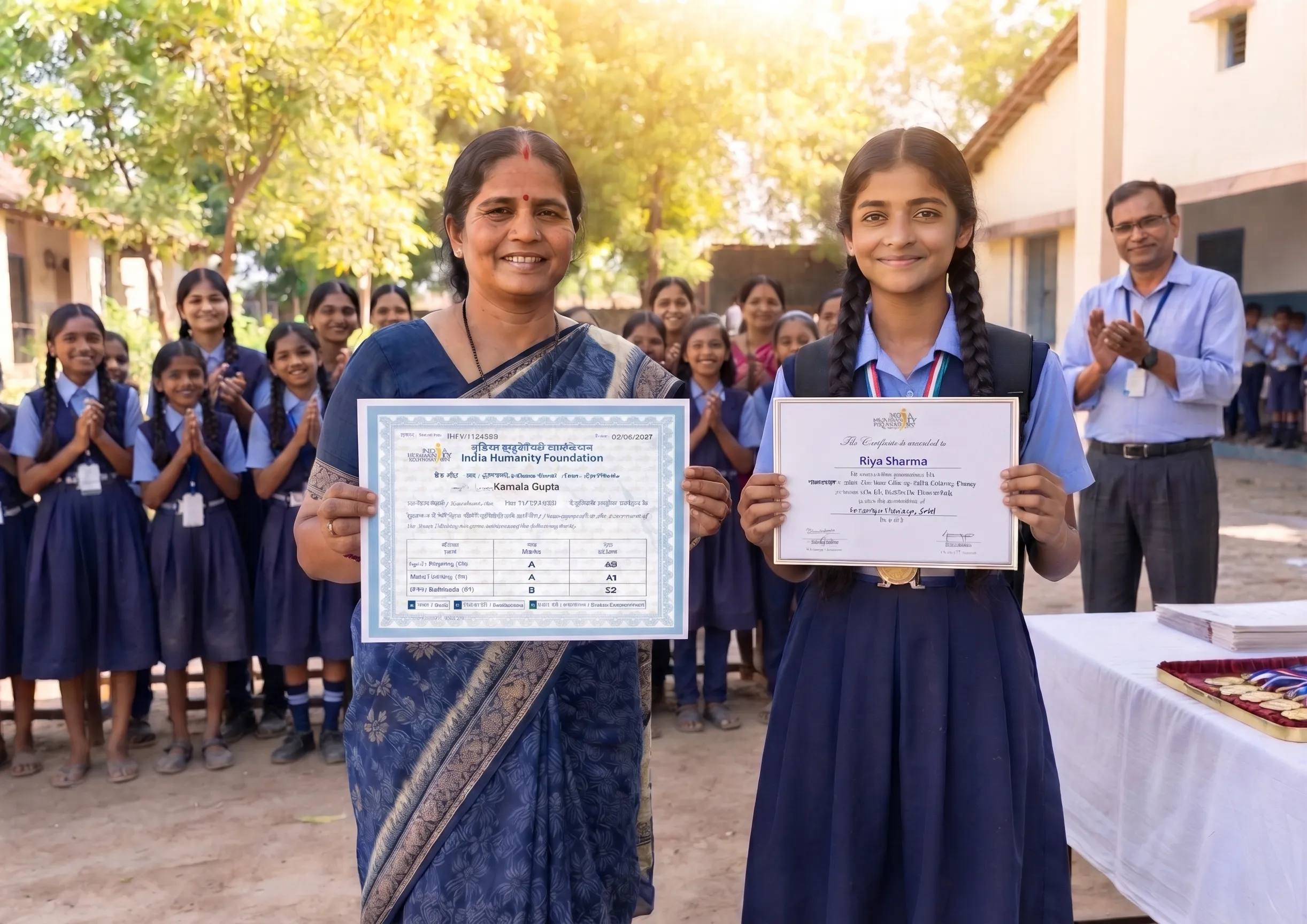
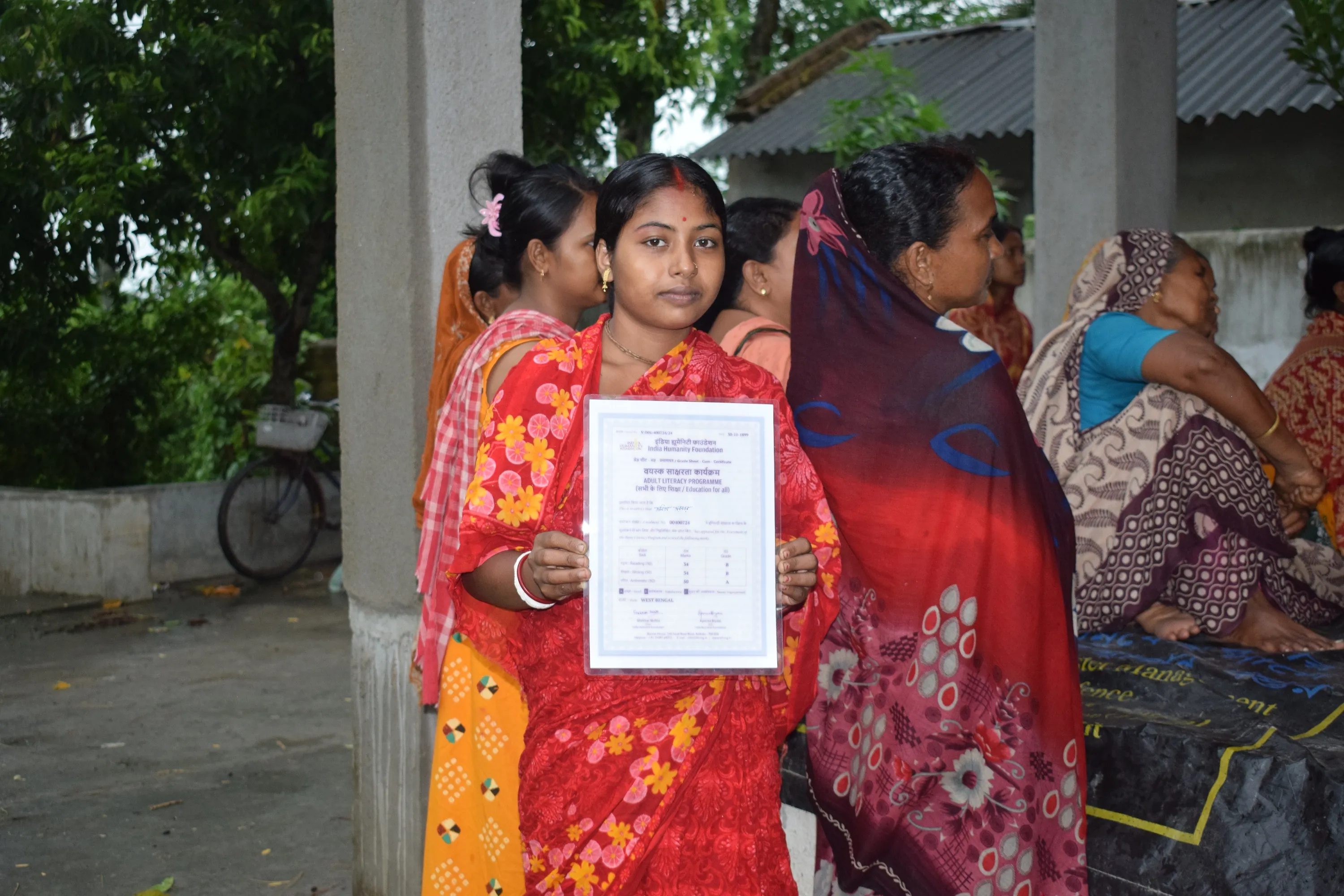
A learner and her student volunteer holding their certificates
Kamala signs her name.
Not a thumbprint — her name. And Riya is no longer just a student. She is a Literacy Hero.
*Kamala and Riya are illustrative, based on the DIKSHA process.
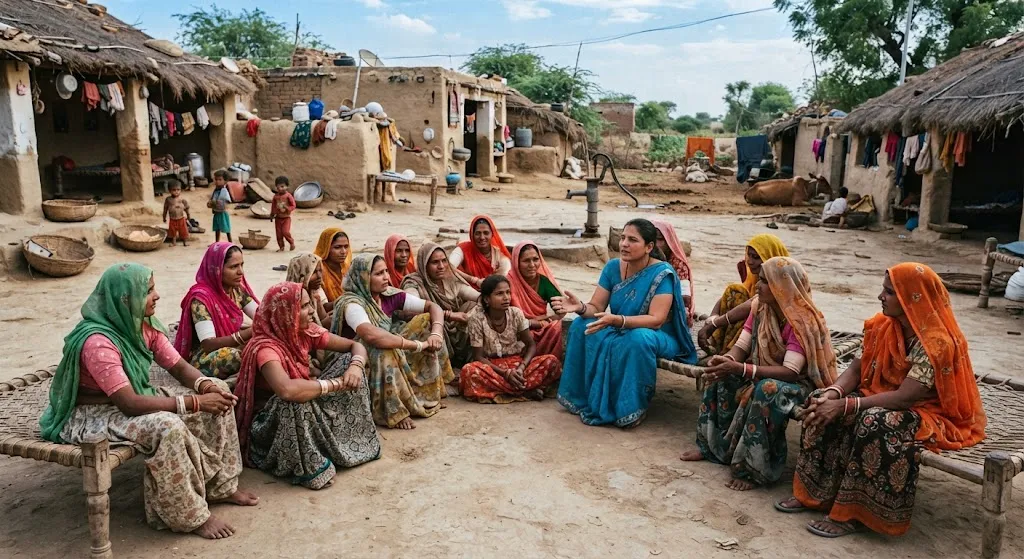
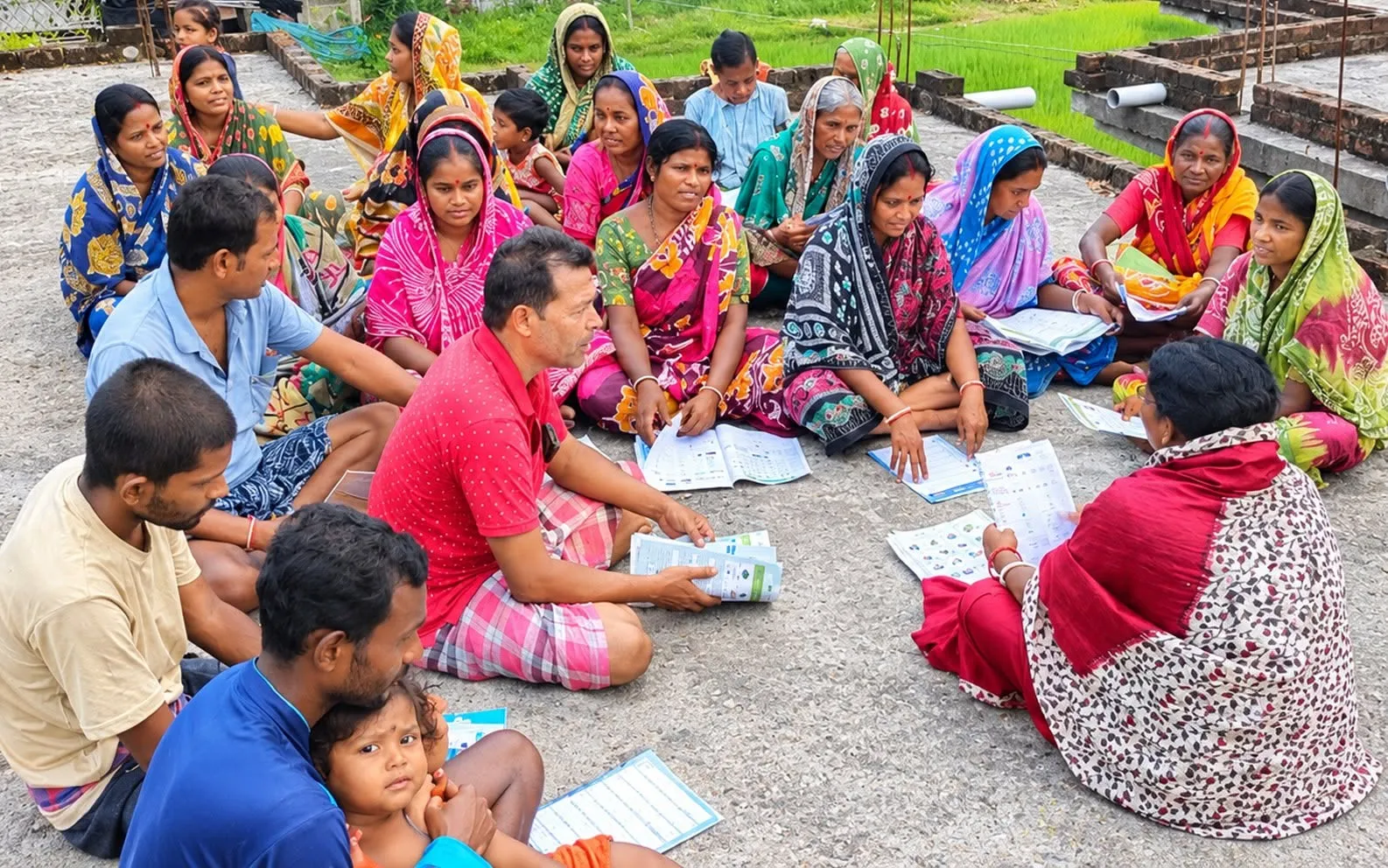
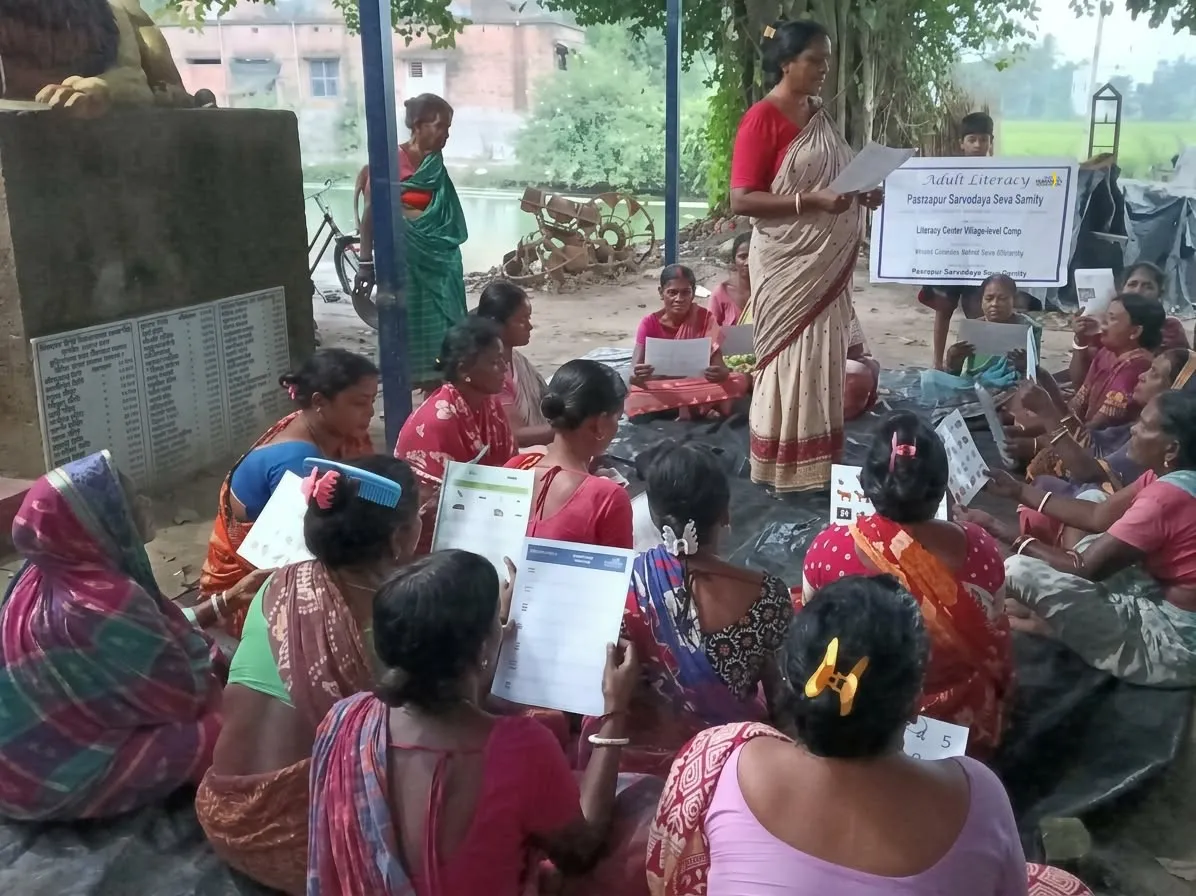
women gathered in a village courtyard
Some villages have no school ready to partner with — and dozens of adults, mostly women, waiting to learn.
They meet every day at the tube well, in a courtyard or on the temple porch. Many were married young and taken out of school. What they need is a teacher who comes to them.
Now, meet the Akshar Saathi.

Like our mascot Akshara, an Akshar Saathi is someone from the community — a young woman or man chosen by our local partner NGO and trained by IHF to teach adults. She knows every family in the village, and they trust her.
Here is how VIDYA works — step by step.
-
1
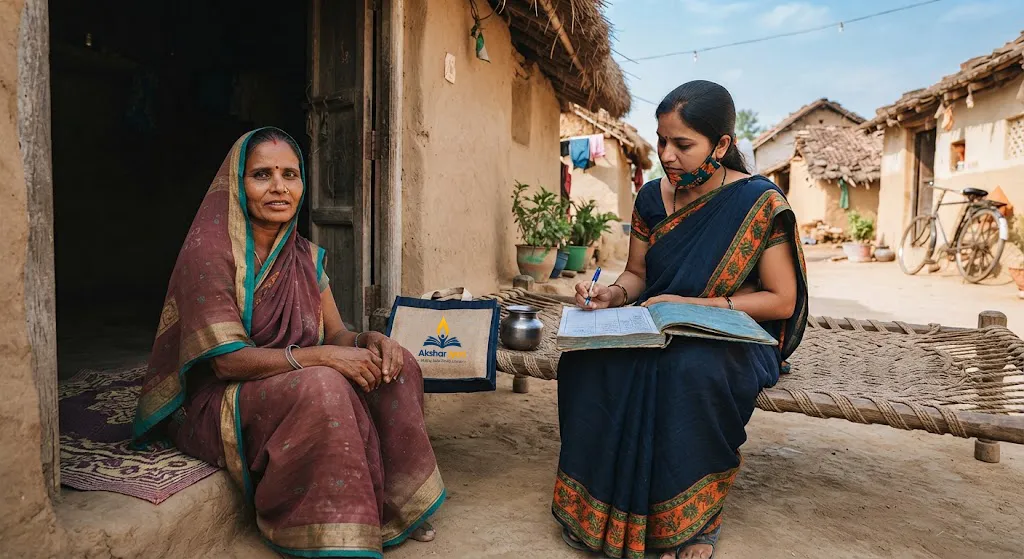 Photo — Akshar Saathi orientation
Akshar Saathi training session
Partner selection & Saathi training
IHF works through a trusted local NGO. The NGO picks an Akshar Saathi from the same village, who then completes IHF’s 5-day Akshar Saathi Fellowship.
-
2
the Saathi registering a learner at her doorstep
Learner registration
The Akshar Saathi goes door to door and enrols 40 adults (15+). Each learner is registered on the IHF portal with a photograph and a pre-test, and gets a Learning Passbook to record every session.
-
3
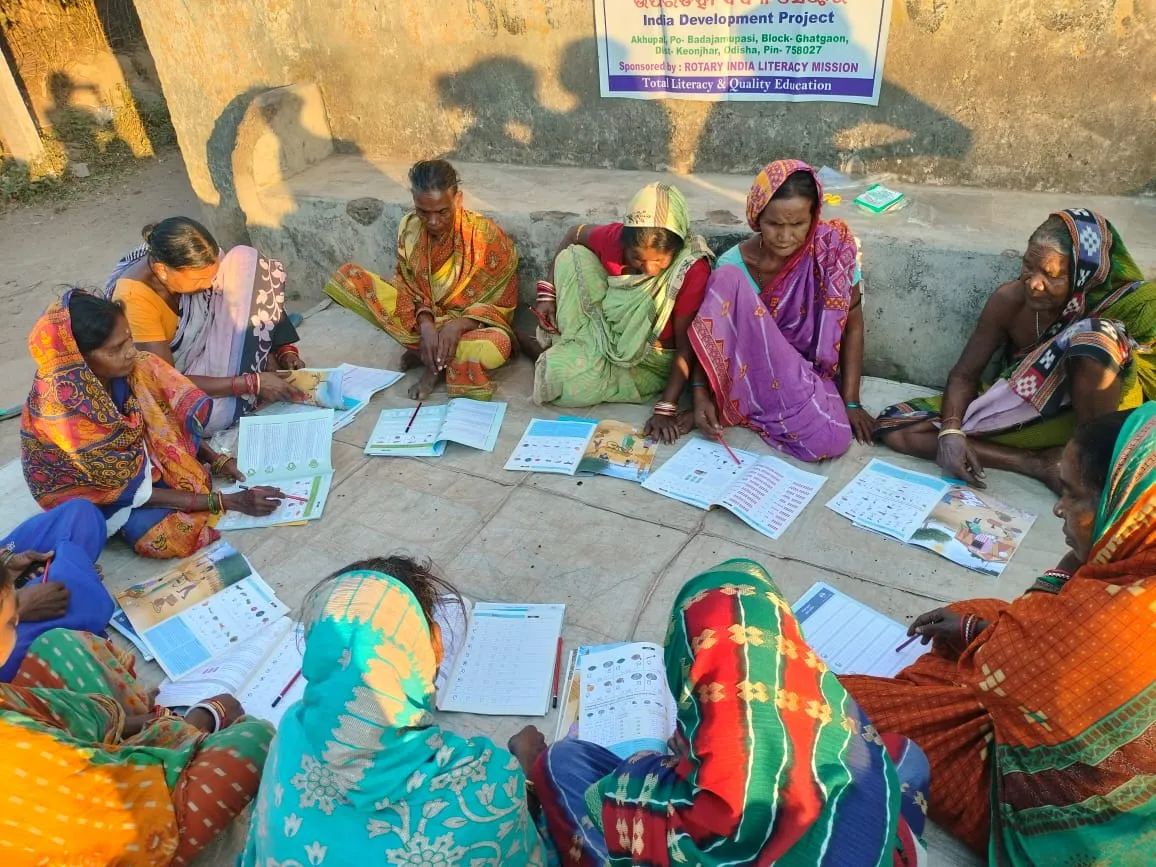
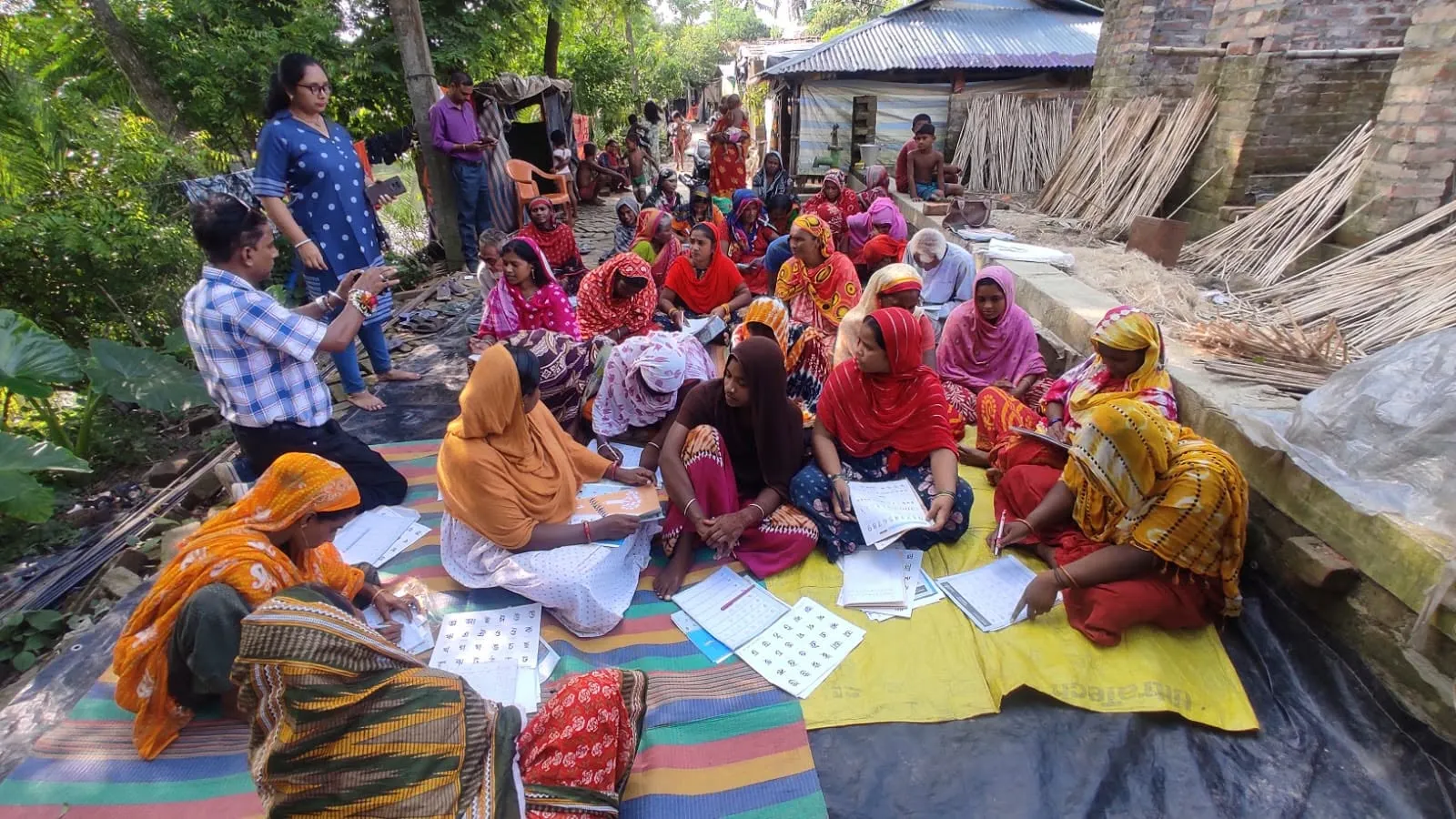
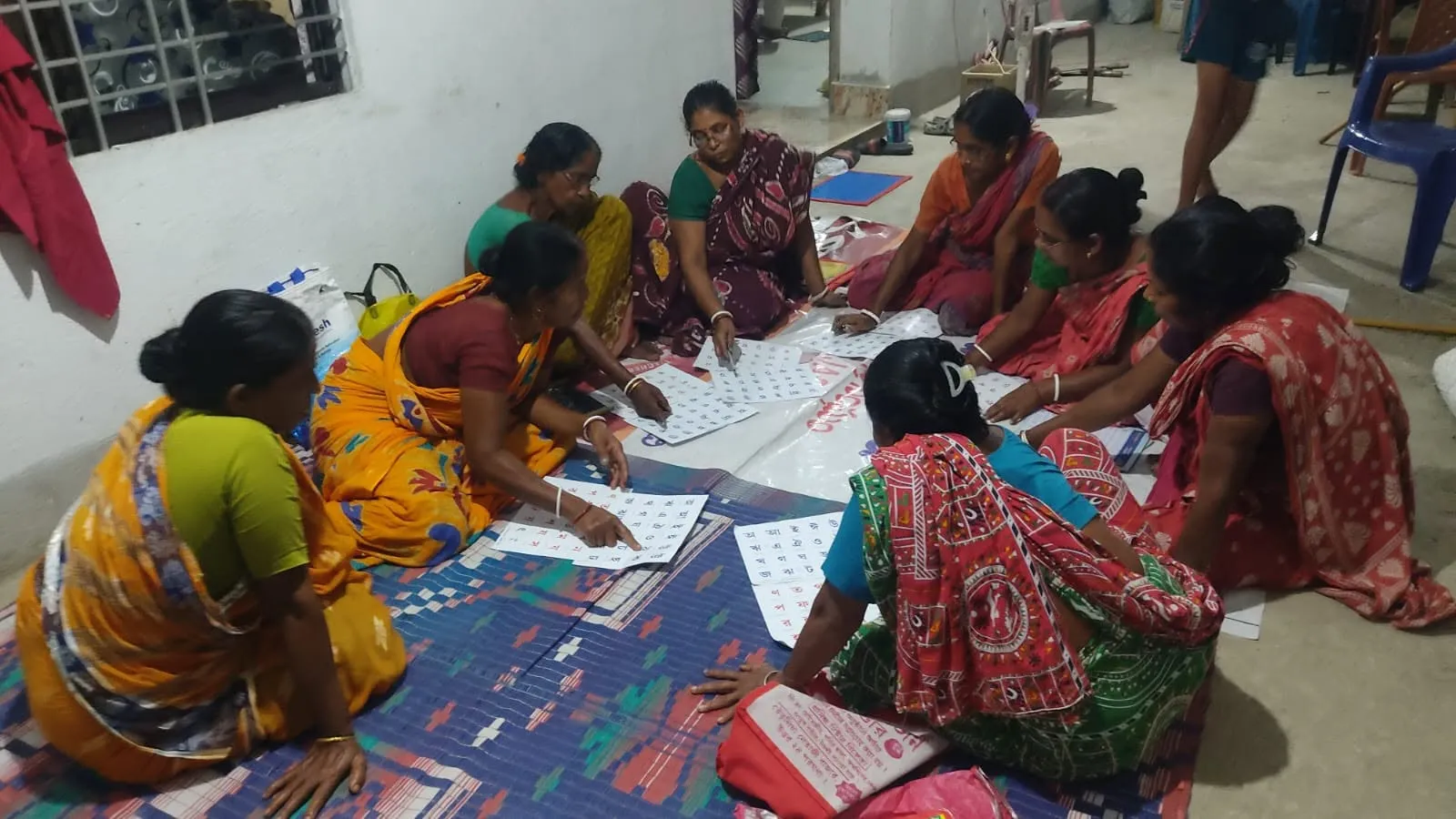
A class in progress in a courtyard
Sixty sessions in a shared space
Classes run in a courtyard, a club room or on a temple porch — wherever the community already gathers. One session a day, at an hour that suits the learners, usually after the household work is done.
-
4
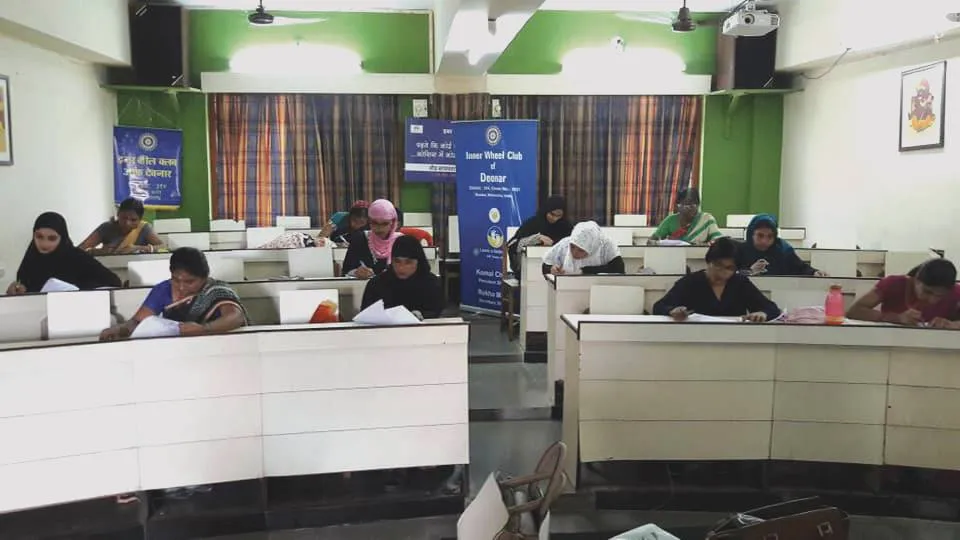
Monitoring & assessment
A review after session 30, then a final test of reading, writing and arithmetic after session 60. IHF supervisors follow every centre, online and on the ground.
-
5
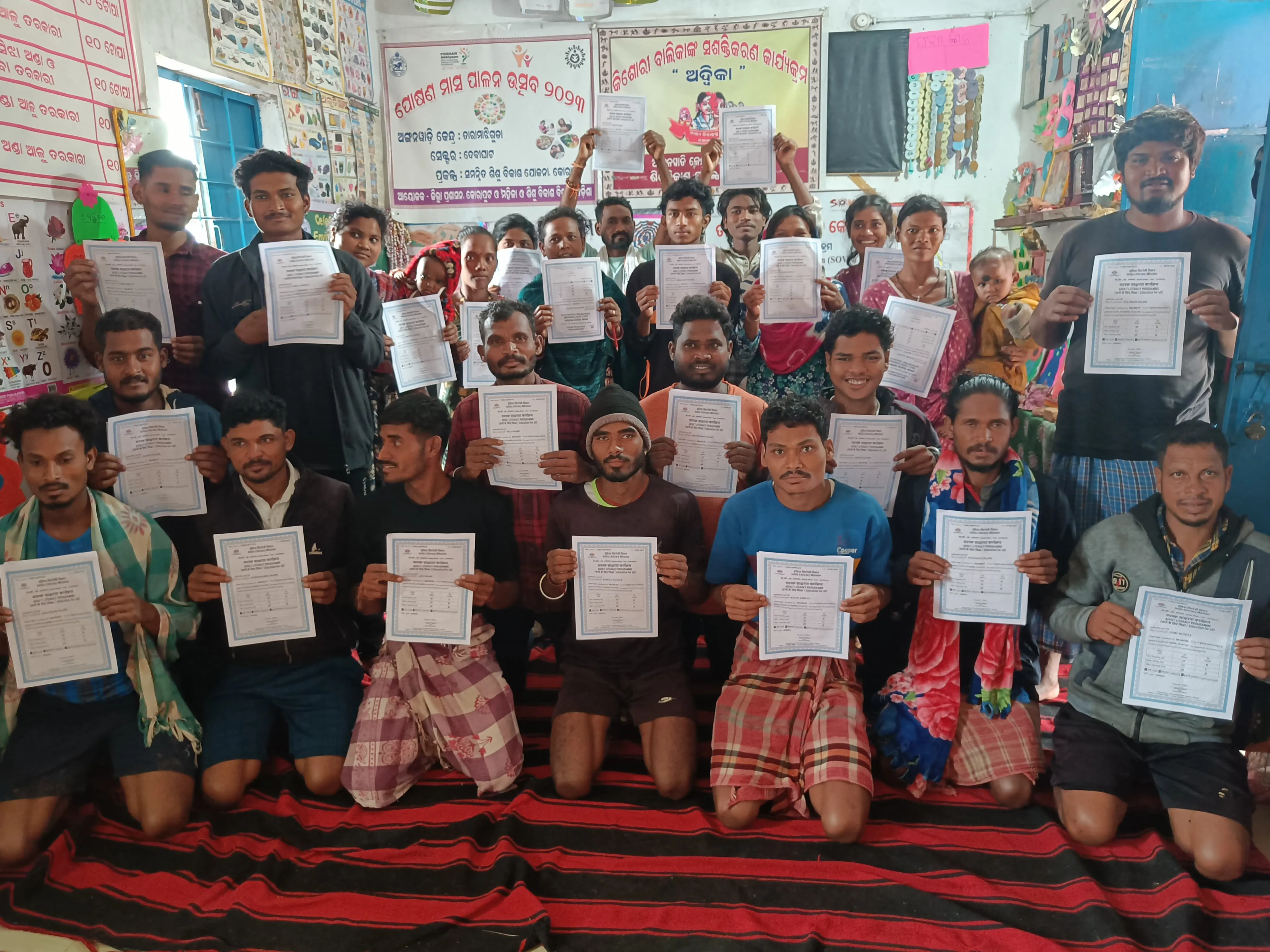
Certification
Learners who pass the final test receive an IHF certificate at a small ceremony at their centre, often with their families watching.
But a centre is only as good as the proof behind it.
Every VIDYA centre is tracked on the IHF portal — with daily attendance, dated class photographs, daily online checks and field visits by our team.
About 3,00,000 adults made
literate
2,989 inmates • 33
correctional homes, West Bengal
1,150 tribal women -
Purulia
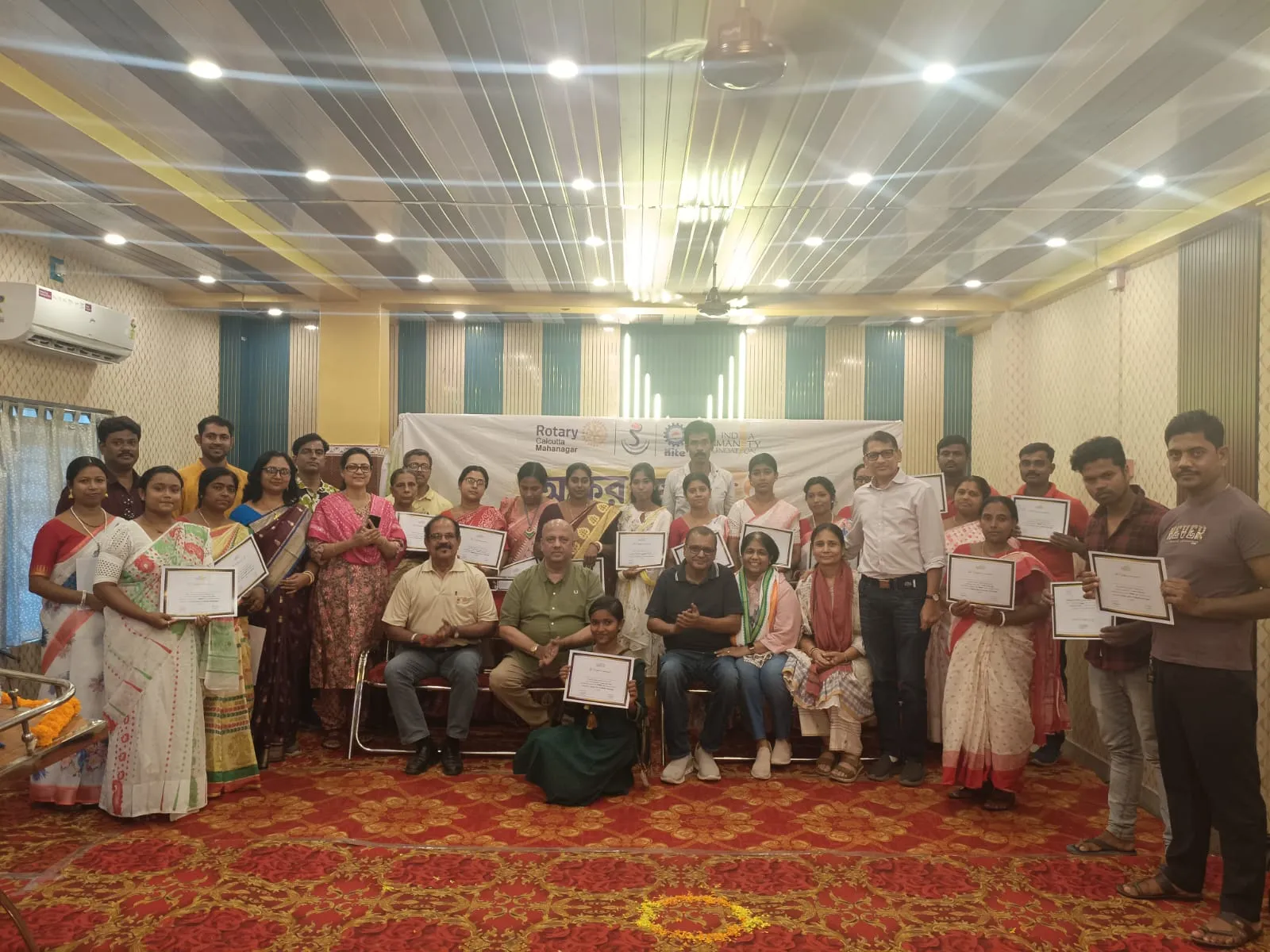
Forty learners. One village. A new beginning.
The courtyard that was once just a meeting place is now a classroom — and the women who sat in it can now read simple text, sign their names and do everyday sums.
The product
Every learner gets the same kit. In their own language.
-
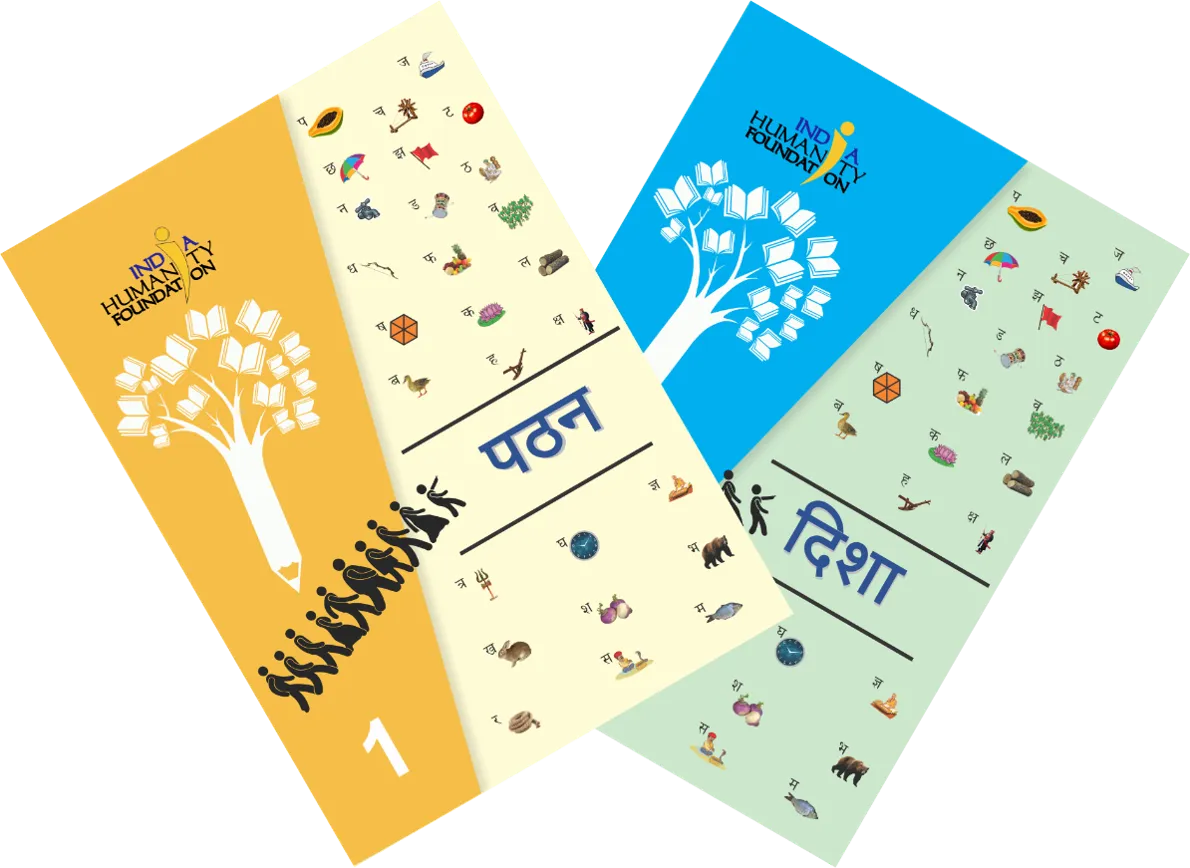
Pathan — Book 1
Letters, simple words and numbers
-
Disha — Book 2
Reading, writing and everyday maths
-
Flash cards
Pictures that help adults remember letters
-
Pre- and post-test papers
Show what each learner knew before and after
-
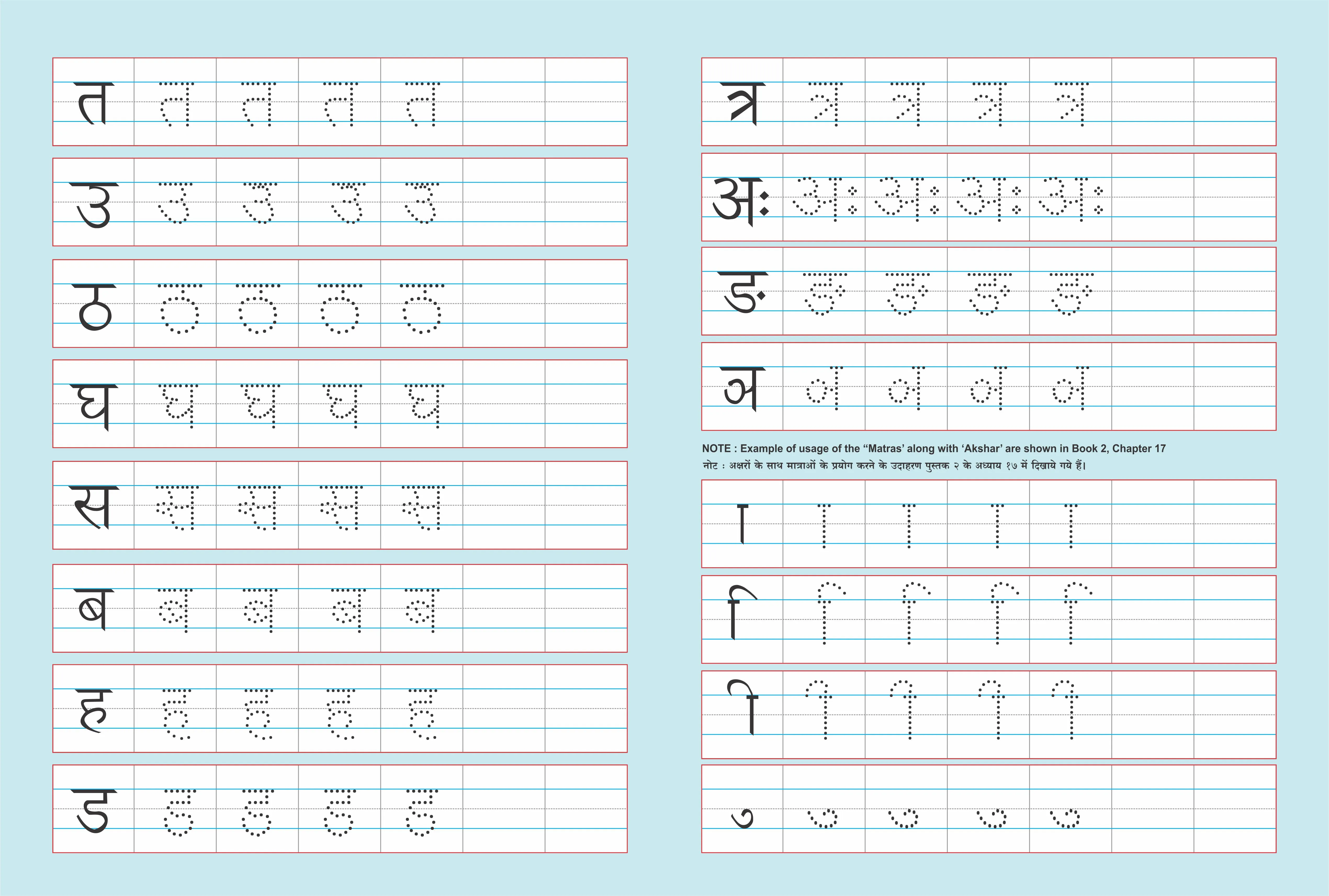
Writing sheets & sample questions
Practice material the learner keeps
-
Instruction sheet
Simple enough for a 14-year-old to teach correctly
Lessons also cover practical literacy (forms, signs, labels), financial literacy (bank slips, savings) and life skills for women. The kit is printed in 8 languages.
The journey
Sixty sessions from a thumbprint to a signature.
From recognising letters to reading a bus number on their own.
-
Session 0
Baseline
Pre-test. Learner registered on the IHF portal and app with a photograph.
01 -
Sessions 1–30
Letters & numbers
Pathan Book 1: letters, sounds, writing their own name, numbers.
02 -
Session 30
Review
Progress checked and recorded on the portal.
03 -
Sessions 31–60
Reading & arithmetic
Disha Book 2: reading, writing, everyday maths, money matters.
04 -
Session 60
Certification
Final test, then the IHF certificate.
05
What a certificate opens up
- Signing at the bank instead of an inked thumb
- Reading a bus number or a medicine label
- Checking a wage slip or a bank slip
- Sitting with a child over homework
Monitoring
Every centre, every learner, on record.
Each learner is tracked end to end: registered on the IHF portal and app, sessions recorded in a passbook, reviewed at session 30, tested at session 60, then certified.
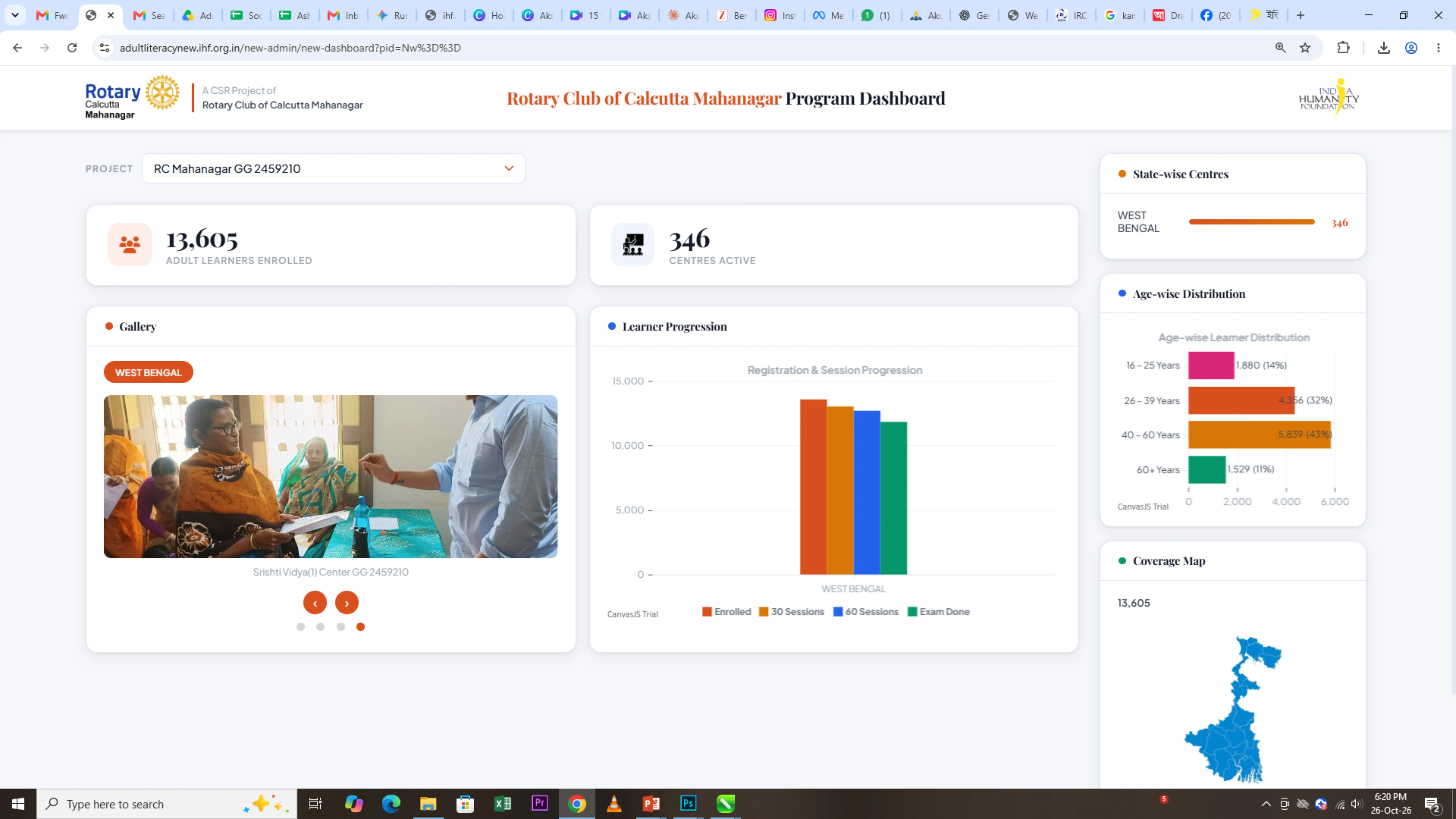
Live MIS dashboard
Learners enrolled, progress by centre, men and women, and state-wise reach — all updated from the field.
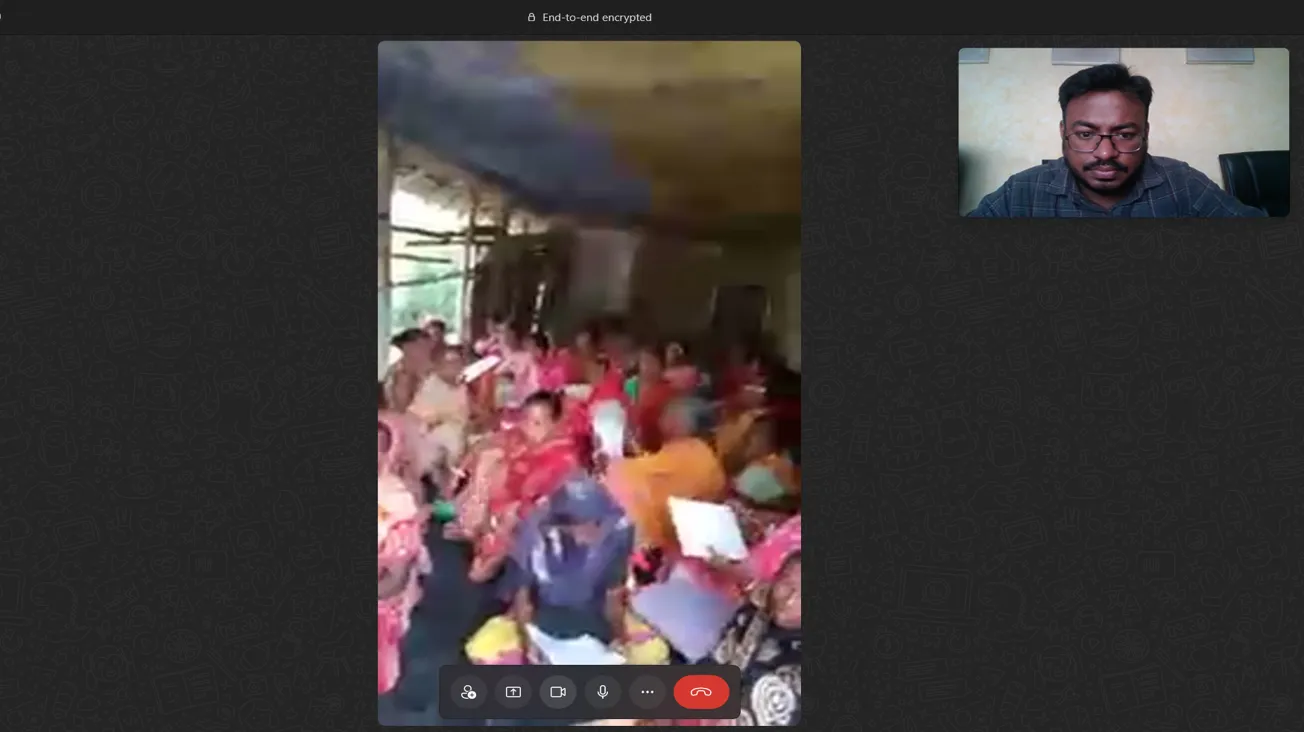
Virtual monitoring
Our programme team joins live classes by video call, without notice, to see the class as the learner sees it.
Physical monitoring
Supervisors (VIDYA) and Field Officers (DIKSHA) visit centres and schools, check attendance registers against the portal and photograph the session.
Daily attendance and dated class photographs are logged against every learner record on the IHF portal.
From the field
The model in action
Bring Akshar Jyoti to your community.
₹600 takes one adult from a thumbprint to a signature. ₹24,000 runs one VIDYA centre of about 40 learners. Fund a learner, partner with us to run DIKSHA in your schools or VIDYA in your villages, or become a volunteer.